Commission on Crime Prevention and Criminal Justice
Topic
The International Civil Aviation Organization (ICAO) plays a critical role in shaping global aviation policy and ensuring the safety, efficiency, and fairness of international air travel. In an increasingly interconnected world, the regulation of air routes and airline safety standards has become more essential than ever, as global travel continues to rise and aviation markets grow more competitive.
The globalization of the airline industry has led to an increase in cross-border alliances, joint ventures, and code-sharing agreements. While these arrangements can provide consumer benefits and operational efficiency, they also threaten competition and can induce market dominance. Some carriers may use these agreements to monopolize lucrative routes or marginalize smaller airlines. This topic will explore the balance between cooperation and competition in international aviation, examining existing antitrust frameworks and proposing strategies to enhance oversight, promote transparency, and protect the rights of consumers and smaller market players. While connectivity is valuable, an unregulated global air market could end up with excessive consolidation, and with that higher prices and worse service for consumers. Individual countries can take some action to ensure competition, but international cooperation is critical in this regard.
Despite remarkable progress in aviation safety over the past decades, disparities still exist in safety enforcement and oversight among member states. Variations in maintenance protocols, crew training, regulatory enforcement, and technological infrastructure have led to inconsistent levels of safety across international airspace. As aviation becomes more globalized, the need for harmonized and elevated safety standards is more urgent than ever. This topic will challenge delegates to examine how ICAO can support states in adopting robust safety practices, improving accident investigation mechanisms, and encouraging the implementation of improved safety technologies. Delegates will also consider how to assist developing countries in meeting these standards through funding, training, and international collaboration. Furthermore, collaboration between countries can allow every country to adopt the best safety standards and regulations from across the world, through collaborative sharing of expertise.
Dear Delegates,
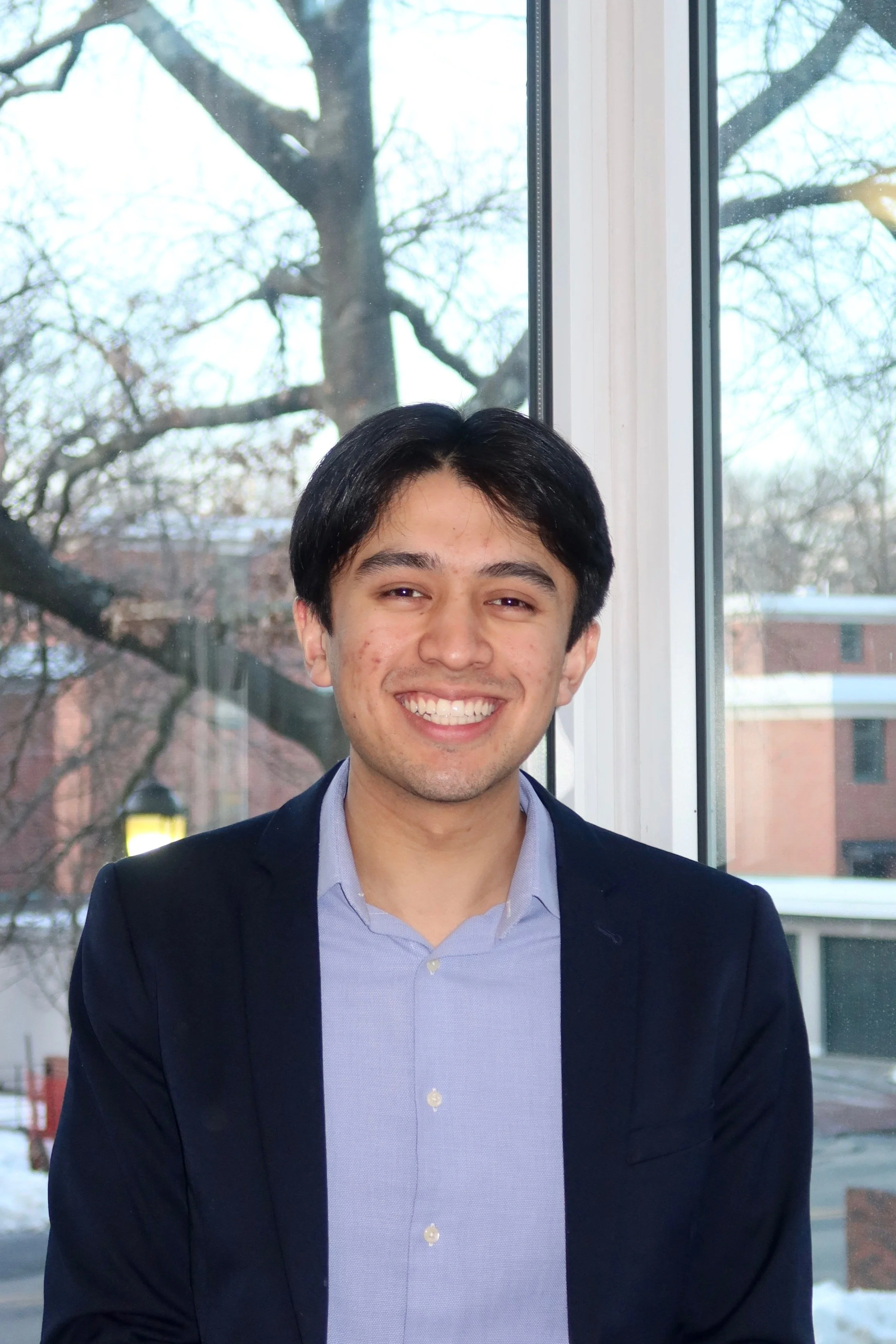
I am a junior in Currier House studying Government and Economics. I was first involved in Model UN in high school in Sydney, Australia, where I both competed and helped organize conferences. At Harvard, I have previously served as an assistant director for HMUN and a director at HMUN Australia. I am excited to return this year as the Director of the CCPCJ.
Outside of Model UN, I am involved in the debating union, political review as well as a non-profit consulting club. In my spare time, I like playing board/card games with his blocking group, biking down the Charles river, trying new restaurants and watching movies and sitcoms. Iām so excited to meet everyone in January!
Sincerely,
Darshanik Aryal
Director, Commission on Crime Prevention and Criminal Justice
ccpcj@harvardmun.org
Harvard Model United Nations 2027