International Monetary Fund
Topic A: Addressing Climate-Related Lending for Vulnerable Economies
Topic B: Addressing Currency Depreciation in Emerging Markets
Climate change has led to increased temperatures, rising sea levels, and a higher frequency of extreme weather events, including droughts, floods, and storms. Its effects are particularly harmful to vulnerable economies, countries that are vulnerable to natural disasters, climate change, or global market volatility. These are often low-income or developing nations.
Given that vulnerable economies are the most negatively impacted by climate change and have the least amount of resources to support their populations with climate-related challenges, they require lending from external sources. Climate finance refers to public and private financing that supports climate change mitigation and adaptation efforts. The IMF cares about climate-related lending because climate shocks threaten economic stability, debt sustainability, and development in vulnerable member states.
The IMF supports climate-related lending through the Resilience and Sustainability Facility (RSF). RSF provides low-cost, long-term funding to assist low-income and vulnerable middle-income countries in strengthening their ability to withstand climate change and other external shocks.
Vulnerable economies such as Least Developed Countries (LDCs) and Small Island Developing States (SIDS) face challenges in obtaining loans through traditional channels. These economies have to navigate complex application processes and some of these states do not have the capacity in terms of institutional frameworks or the human capital for the technical expertise. Additionally, these loans tend to go along with some strict conditions that may require the loanee to adopt new changes in their governance.
Despite growing support for climate-related lending, tensions remain over debt sustainability, equitable access, and the role of conditionality. While some developed countries advocate strong policy requirements, others argue this places unfair burdens on already vulnerable states. Disagreements also persist on how much responsibility wealthier nations should bear. Delegates should consider the following. In what ways can the IMF balance the urgency of climate action with the financial constraints of vulnerable nations? What role should the IMF take: technical advisor, lender, or policy enforcer?
When currency depreciation occurs, it can lead to inflation, challenges in repaying debt, and changes to trade dynamics. The IMF cares about this issue, particularly in emerging markets, because sharp currency depreciation can trigger inflation, destabilize financial systems, and undermine long-term economic growth. Emerging markets refer to economies that are transitioning from low-income toward becoming more industrialized and globalized.
Currency depreciation can occur when interest rates increase, inflation rises, along with political factors that erode public trust in a state’s government because it dissuades investors and thus decreases the demand for the state’s currency, which leads to depreciation. Additionally, many emerging markets have large amounts of debt that the state must repay in foreign currency. Therefore, when the state’s local currency depreciates, it makes it challenging to repay the debt, leading to financial instability. For example, Argentina faces currency depreciation as a result of high inflation, fiscal deficits, and debt restructuring.
There are a number of ways for the IMF to respond to emerging economies facing currency depreciation through loans, policy conditionality, austerity measures, monetary policy and structural reforms. This continues to be a challenge today as rising global interest rates make it harder for emerging markets to attract investment. Many of these economies are already carrying heavy debt burdens.
While the IMF offers financial assistance, it often comes with strict conditions that can be politically unpopular and difficult to implement. Some member states argue that policy conditionality and austerity measures place an unfair burden on already struggling populations, while others view them as necessary tools for restoring market confidence. There is also debate over whether the IMF should play a more active role in exchange rate stabilization or leave that responsibility to national governments. Delegates should consider: How can the IMF support currency stabilization while respecting national sovereignty? Should the IMF reform its approach to conditionality when dealing with emerging market currency crises?
Dear Delegates,
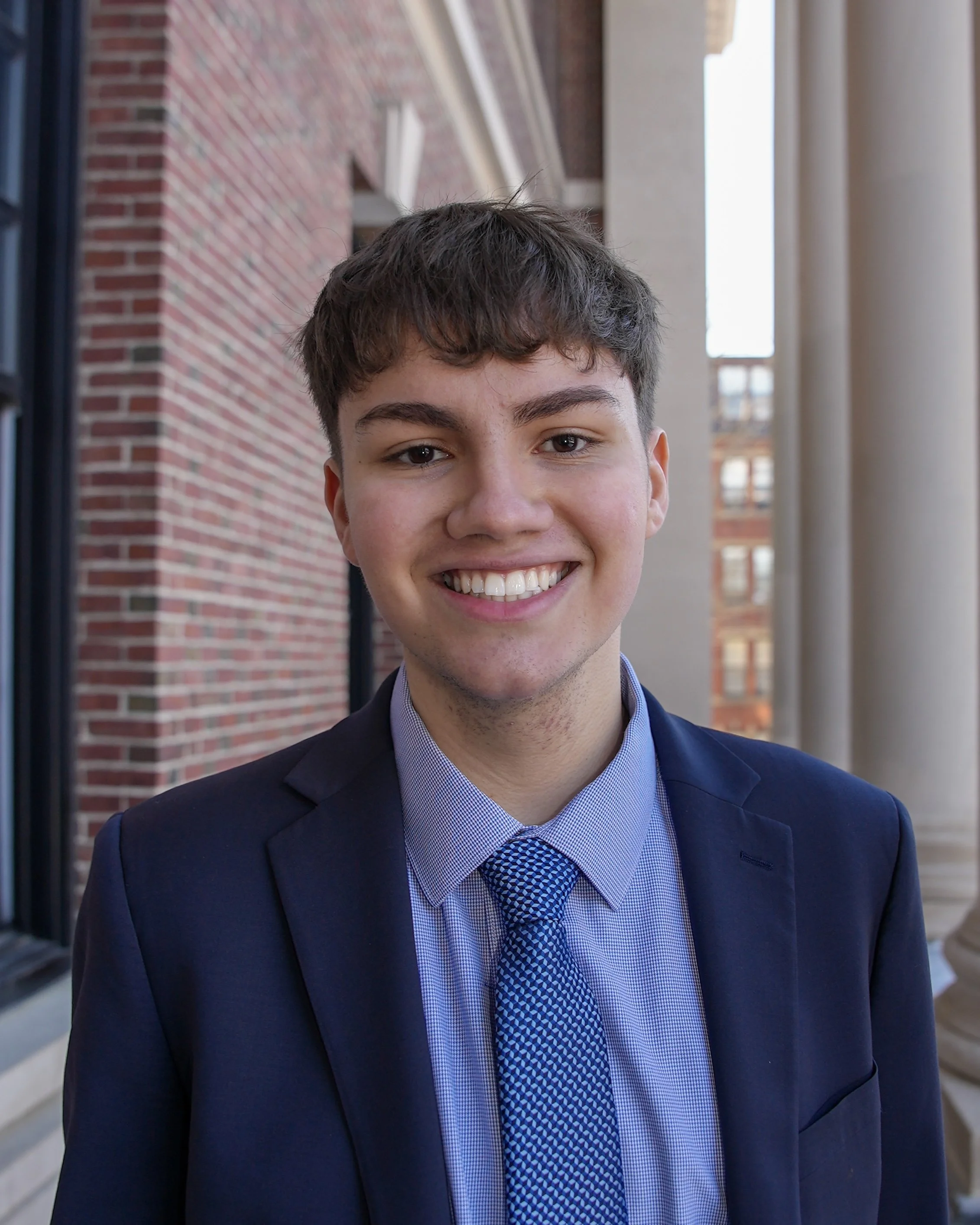
My name is Kelly Olmos, and I am so excited to be your co-chair for the International Monetary Fund committee! I am a junior at Harvard College concentrating in applied mathematics and statistics. I’m originally from the North Side of Chicago.
Although I now study applied mathematics and statistics, I originally started college thinking I would concentrate in government, and that stemmed from my interest in global affairs, policymaking, and understanding how institutions shape the world around us.
I first became involved with Model UN after being an assistant director for the Ad Hoc Committee of the Director-General at HMUN 2025. Since then, I’ve joined Harvard’s ICMUN, the collegiate competitive travel team for Model UN, and competed as a crisis delegate. This year, I’m thrilled to be chairing both the IMF committee at HMUN and the WHO General Assembly at HNMUN.
The International Monetary Fund is where economics and diplomatic policy come together. I’m excited to see how you all think critically and creatively about the challenges ahead, from climate-related lending to currency depreciation in emerging markets. Whether you’re a seasoned delegate or new to MUN, I encourage you to be bold, stay engaged, and support each other throughout committee.
If you have any questions or need anything before committee, feel free to reach out. Model UN is at its best when everyone comes ready to engage and work together, and I’m excited to see where the weekend takes us. Looking forward to meeting you all.
All the best,
Kelly Olmos
Director, International Monetary Fund
imf@harvardmun.org
Harvard Model United Nations 2026