International Maritime Organization
Topic Summary
The International Maritime Organization Committee at HMUN 2027 will be a fast-paced, high-stakes simulation placing delegates at the center of two of the shipping industry's most urgent economic and environmental questions. Set in the present, this committee explores the future of global maritime trade, where cargo vessels carrying roughly 90% of the world's goods face mounting pressure to decarbonize even as nations tighten control over who is allowed to move that trade.
As flag states seek competitiveness, shipowners pursue profit, and coastal and developing nations bear the costs of both emissions and exclusion, delegates will confront the difficult balance between environmental responsibility and economic openness. The committee will examine who bears the burden of cleaner shipping, who benefits from protectionist maritime policy, and how international cooperation can respond to a shipping industry under pressure from every direction.
Dear delegates,
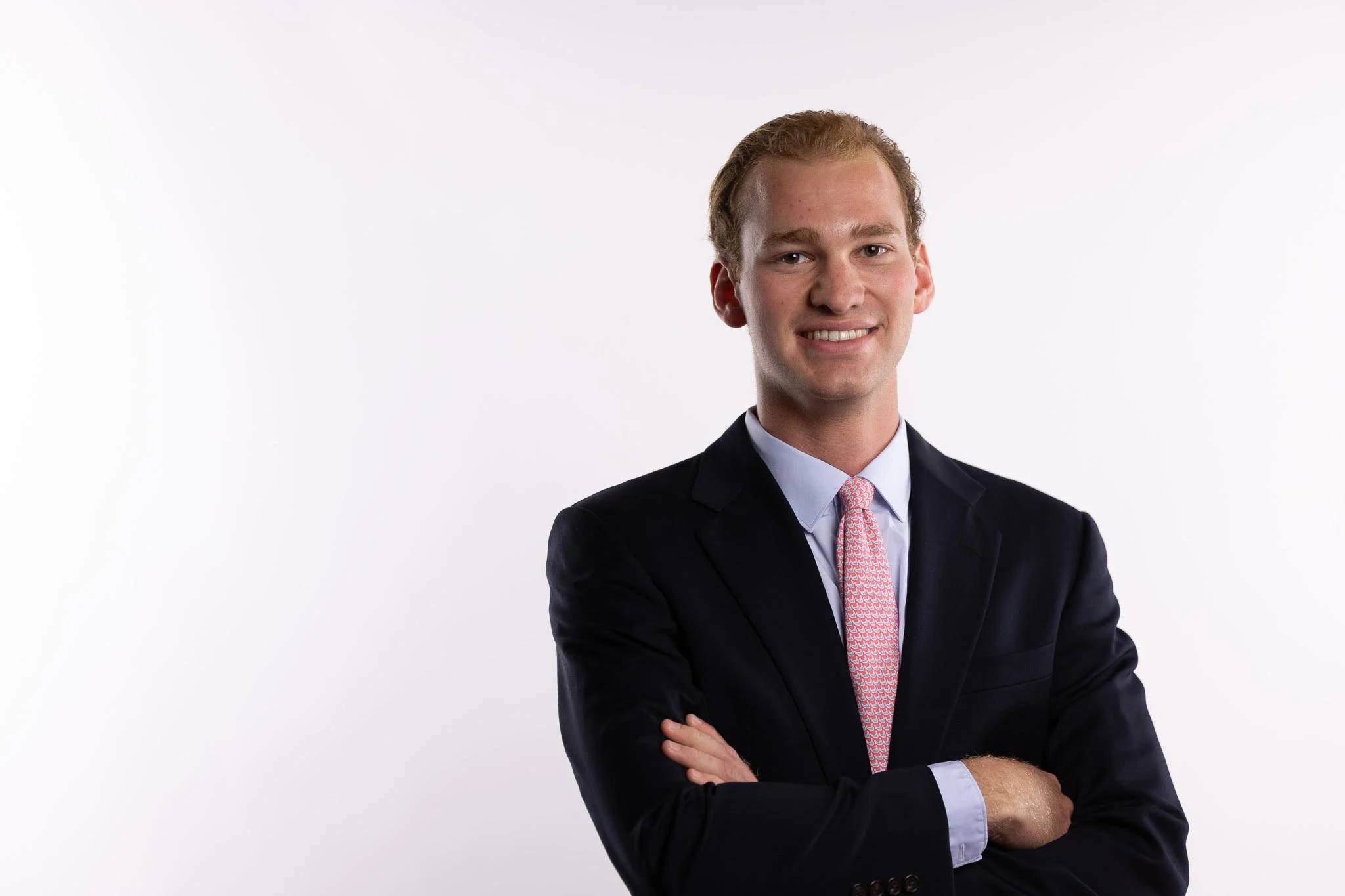
I am James, and I am a senior at Harvard studying economics with a minor in astrophysics. I am from New York City. I have been doing Model Congress since seventh grade, and Model UN since ninth grade. At Harvard, I am also on the sailing team and am a senior staff for Harvard Model Congress. I love to travel and have been to all six permanently inhabited continents.
Sincerely,
James Bergstrom
Director, International Maritime Organization
imo@harvardmun.org
Harvard Model United Nations 2027