Social, Humanitarian, and Cultural Committee
Double Delegation
Topic A: Human Trafficking Among Refugees, Migrants, and Displaced People
Topic B: Strategies for Addressing Indigenous Rights, Culture, and Knowledge
Topic A - The Displacement Economy: Migration, Policy, and the Trafficking Economy
The world witnesses countless and immense global displacement, so much so that the legal frameworks designed to protect vulnerable populations struggle to keep up. This leaves vast numbers of people in transit unstable and vulnerable. This is exactly what borne exploitation: in times of urgency and necessity, a smuggling deal can quickly turn into debt bondages or forced labor. Moreover, the harsher border policies that states implement to deter this often have the opposite effect, as victims become less likely to report for fear of the consequences. While tools like the Palermo Protocol and UNHCR mandates exist, enforcement gaps remain wide. Delegates will be asked to explore the real connection between migration policy and trafficking, all whilst coming up with sustainable solutions that protect displaced populations without ignoring concerns of border control.
Topic B - The Rights Divide: Universalist Rights Claims vs. State Sovereignty
LGBTQ+ legal status varies greatly around the world. While some states expand legal recognition, others criminalize personal uniqueness and identity. It is vital to acknowledge that this comes as a result of a real disagreement, not simply bad faith. Universalist human rights frameworks claim that certain protections remain true everywhere. On the other hand, many states argue that identity, family, and morality should be left up to domestic law and culture. This friction between personal identity and states plays out in anti-discrimination law, legal gender recognition, and asylum protections. SOCHUM has historically struggled with a solution, precisely because it is not a resourcing problem - it is a genuine clash over what authority should govern identity. Delegates will not only be tasked with examining where international rights law and domestic sovereignty actually conflict, but also exploring frameworks that divided member states can realistically engage with.
Dear Delegates,
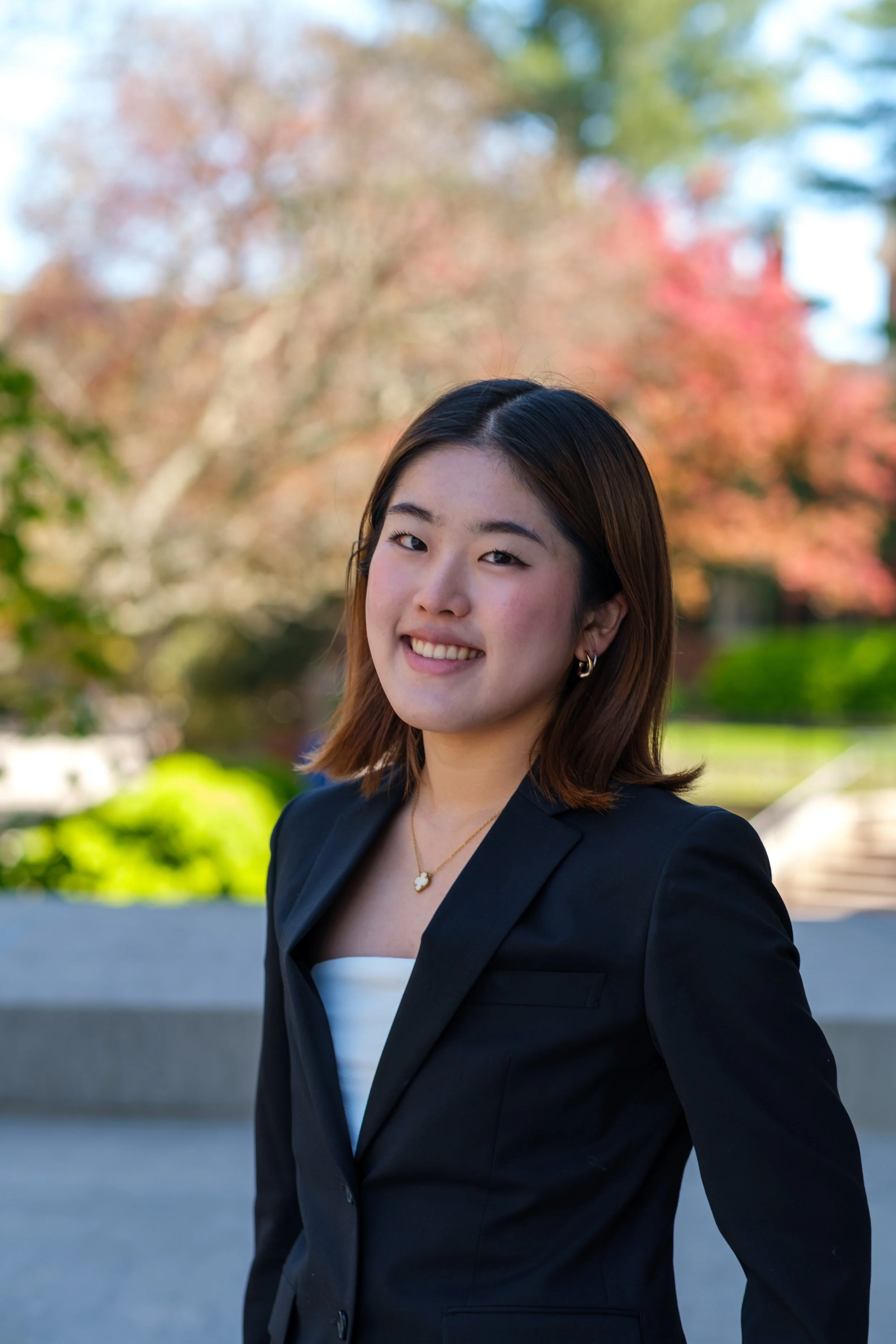
My name is Aoi Nakata, and I am your Co-Director for the Social, Cultural, and Humanitarian Committee this year at HMUN 2027! Originally from Japan, I’ve lived all over – from Chicago to New York to Tokyo to Boston, the city life enthralls me each and every day. As a Sophomore in Quincy House, I study Government and Women, Gender, and Sexuality Studies, though I occasionally dabble in Economics and Sociology. On campus, I can be seen debating with the Harvard College Debate Union, dancing with the Asian American Dance Troupe, or laughing with my friends in Women in Business.
During high school, I competed in both Japanese and English Model UN committees. My high school hosted the largest English student-run conference in Japan called JMMUN, where I directed DISEC, UNDP, and ECOSOC committees. I was also a delegate at HMUN 2023 myself. Therefore, it is very exciting to be able to come back to HMUN 2027 as a Director! Last year, for HMUN 2026, I was an Assistant Director for the Crisis Committees, and was an Assistant Director for HNMUN, the college conference, for INTERPOL. I am beyond excited to keep on being involved in the MUN community and to encounter the brightest, most innovative solutions for the future of international relations.
I cannot wait to meet everyone in January, where I imagine months of preparation will have presented you with hiccups along the way, just as real-world problems often do. However, as we come together for this conference, I hope everyone approaches the conference with passion, integrity, positivity, and respect, becoming a testament to the infinite possibilities of international politics. I am thrilled to see all of the amazing ideas and visions that you all have for the conference. Please do not hesitate to reach out if you have any questions!
Best Regards,
Aoi Nakata
Co-Director, Social, Humanitarian, and Cultural Committee
sochum@harvardmun.org
Harvard Model United Nations 2027
Dear Delegates,
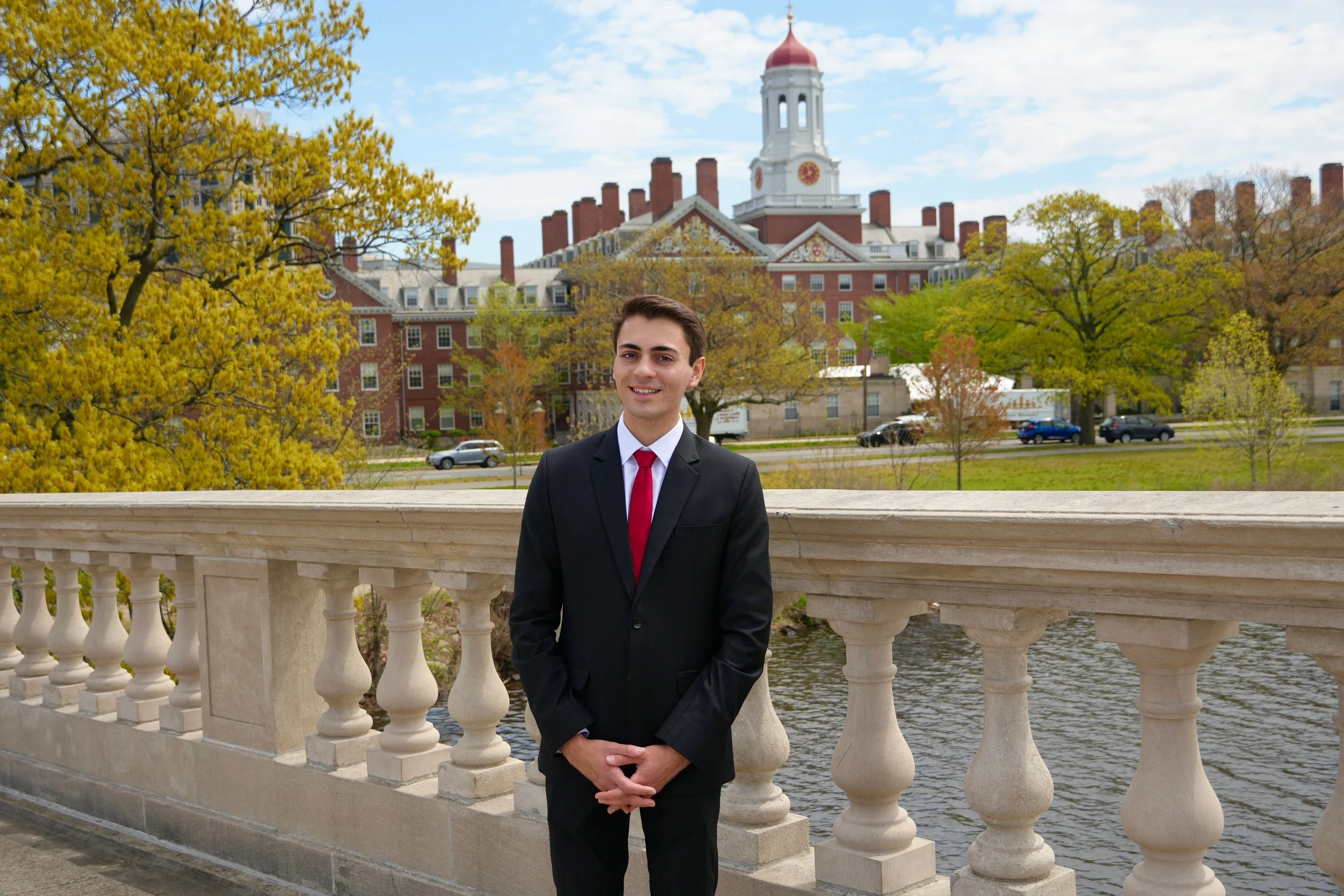
My name is Rahul Yates, and I am so excited to be your co-chair for the SOCHUM committee! I am a senior at Harvard studying Government, South Asian Studies, and Economics, and I am originally from Los Angeles, California.
At Harvard, I have been involved in MUN in many ways. I initially joined ICMUN, Harvard’s intercollegiate MUN team, and I have really enjoyed traveling and competing at various conferences. Since then, I have chaired at HMUN, HNMUN, and HMUN Canada and have been on the Secretariat for HMUN, HMUN India, HMUN Dubai, and HMUN Brazil. In fact, part of my inspiration for chairing SOCHUM this year is because my first time chairing a committee ever was HMUN 2025, where I chaired the Legal committee, and I want my last time chairing at HMUN to bring back memories of chairing an incredible double-del committee.
Outside of MUN, I have been involved with both pre-professional related to consulting and finance, as well as cultural clubs that help me connect to my South Asian identity, like Harvard Dharma and Harvard Undergraduate Bhangra. In my free time, I love listening to Bollywood music and going for runs.
I am excited to meet all of you soon!
Best Regards,
Rahul Yates
Co-Director, Social, Humanitarian, and Cultural Committee
sochum@harvardmun.org
Harvard Model United Nations 2027