Special Political and Decolonization Committee
Double Delegation
Topic A: Tech Monopolies and Global Power
Topic B: Climate-Induced Displacement and the Status of Climate Refugees
Committee Topic A: Tech Monopolies and Global Power
As tech corporations have gained profits and resources exceeding the GDPs of many countries, they have also gained state-like power and significantly influenced existing geopolitical structures. Yet, this power has not been evenly distributed, as it largely remains in the hands of just a few massive companies clustered in just a handful of countries. These inequities have raised important questions about the global “digital divide,” exploitation of developing countries for resources used in technology, and a new form of “tech colonialism.” Furthermore some corporations have even gained the ability to influence foreign politics and affairs via content filtering and other measures. These situations have prompted some to suggest that broader global regulation of tech companies is necessary; however, critics argue that excessive regulation will hamper the development of revolutionary technologies and upend the economy. Ultimately, debate on this topic will seek to answer the question: how do we balance economic growth and innovation with equity and human rights?
Committee Topic B: Climate-Induced Displacement and the Status of Climate Refugees
As climate change reshapes the world around us, millions of people are projected to have to flee rising waters, excessive heat, or other forms of extreme weather in the coming years. Thus, this poses a looming global refugee crisis as these individuals are uprooted from their homes and forced to move either internally within their countries or across borders. However, from a legal standpoint, these individuals are not even considered refugees currently (as they are not fleeing conflict), leaving them at substantial risk. Furthermore, as the frequency of natural disasters increases, this problem has the potential to expand rapidly, in addition to the more gradual changes in sea levels and temperatures. Given existing refugee crises around the world, delegates must decide: should people fleeing the effects of climate change be considered refugees? And how can we proactively work to mitigate this looming humanitarian catastrophe?
Dear Delegates,
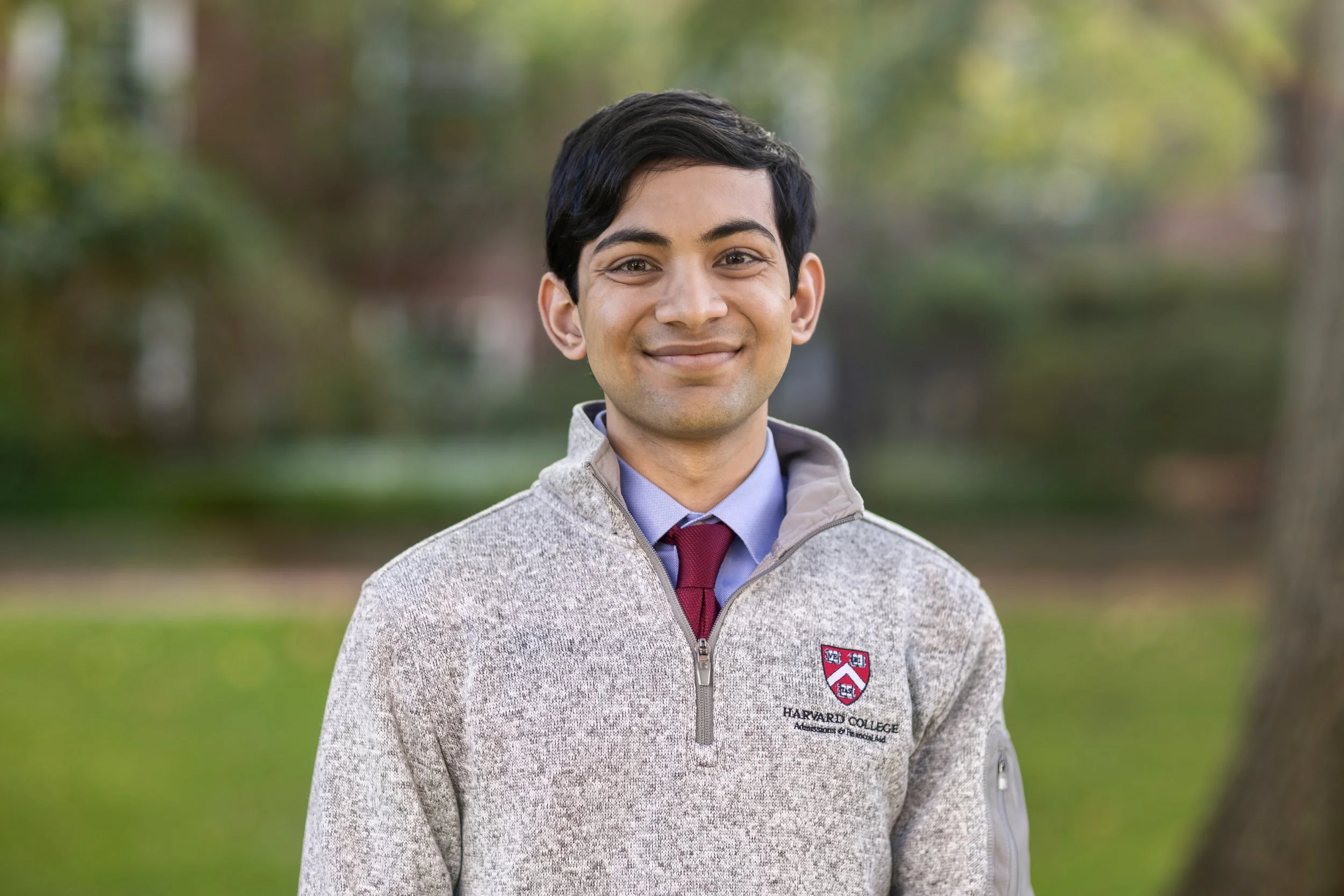
Welcome to HMUN 2027’s Special Political and Decolonization (SPECPOL) committee! My name is Pavan Thakkar, and I am delighted to serve as a director of this committee for the second consecutive year. To tell you a bit about myself, I am a junior at Harvard College in Quincy House, but I am originally from Charlotte, North Carolina. I’m concentrating (majoring) in the History of Science with a secondary (minor) in Global Health and Health Policy, on the pre-med track. I have been participating in Model UN since I was in middle school, and at Harvard, I am a member of our Intercollegiate Model UN team. I have staffed HMUN and HNMUN (our collegiate conference) since 2025. In addition to MUN, I also am an EMT for CrimsonEMS, conduct clinical research, and serve as a photographer for our campus newspaper, The Harvard Crimson.
Two of the most valuable and transferable skills developed by MUN are communication and collaboration. I look forward to seeing how you all work together—both with your co-delegate and other delegations—to navigate the timely and critical global issues addressed by the Special Political and Decolonization Committee. Please feel free to reach out via the email address below if you have any questions or concerns.
I look forward to meeting you all and working together to make the committee a lively, fun, and productive one.
Sincerely,
Pavan
Co- Director, Special Political and Decolonization Committee
specpol@harvardmun.org
Harvard Model United Nations 2027

Esteemed Delegates,
It is my pleasure to welcome you all to the Special Political and Decolonization Committee for the 2027 session of Harvard Model United Nations. I am honored and excited to have the opportunity to serve as your Co-Director, and I look forward to working with you all over the span of this conference!
My name is Maggie Leighton. I am a current sophomore at Harvard, and I am originally from Leominster, Massachusetts. I am studying History of Science with a secondary in Global Health and Health Policy, with the intent to attend law school after finishing college. Model United Nations was a surprising addition to my college extracurriculars, as I had never had the chance to experience it in high school, but I am so thankful that I joined this community! At Harvard, I compete on the Intercollegiate Model United Nations (ICMUN) team and will direct at both HMUN Boston and HNMUN this year. Outside of Model United Nations, I am a senior staffer for Harvard Model Congress Boston, San Francisco, and Europe, a member of Harvard’s Women’s Club Volleyball Team, and a leader for Harvard’s First-Year Urban Program.
In this committee, we will address two pressing issues facing the international community: the growing influence of technology on global power structures and the effect climate change has on displacing communities. I am looking forward to working with you all as you bring your countries’ perspectives to life and debate potential policies about sovereignty, equity, human rights, and international cooperation. I encourage everyone to participate and have a voice in committee discussions, and I am excited to see everyone grow as delegates as we work through the conference together! Please don’t hesitate to reach out with any questions, concerns, or anything else. Good luck!
Sincerely,
Maggie Leighton
Co-Director, Special Political and Decolonization Committee
specpol@harvardmun.org
Harvard Model United Nations 2027