Warsaw Pact
Topic Summary
Prospective comrades, welcome to the world of Eastern European politics in one of the continent’s most tumultuous years: 1956. Founded just a year prior in 1955, the Warsaw Pact alliance (more formally the Warsaw Treaty Organization) is facing a shameful revolutionary insurgency disrupting the peace and prosperity of the great nation of the Polish People’s Republic.
As the leaders of the Communist nations of Europe, you will be called upon to respond to the insurgency, maintain the security of the Eastern Front, and prepare the alliance for a future of a completely and totally happy (tremendously ungrateful and disgruntled) populace. While our alliance grapples with determining our strategic path forward to counteract the cowardly (strengthening) Western bloc, a new fervor for resistance boils over in the streets of Budapest.
Only a few months later, Hungarian revolutionaries, too, overexaggerated Comrade Brezhnev’s mere clarifications about Comrade Stalin’s leadership, devolving the once great Communist state into chaos.
Yet when the honorable delegations of the Warsaw Pact gather on July 1st, 1956, you will have the unique opportunity to change the course of Eastern Europe. Through collectivist negotiation, intelligence operations, and completely voluntary public compliance, you can avow the wonders of the Warsaw Pact and its governments to all the people of this half-great continent. To debate, comrades!
Dear delegates,
Welcome to the 74th annual session of Harvard Model United Nations!
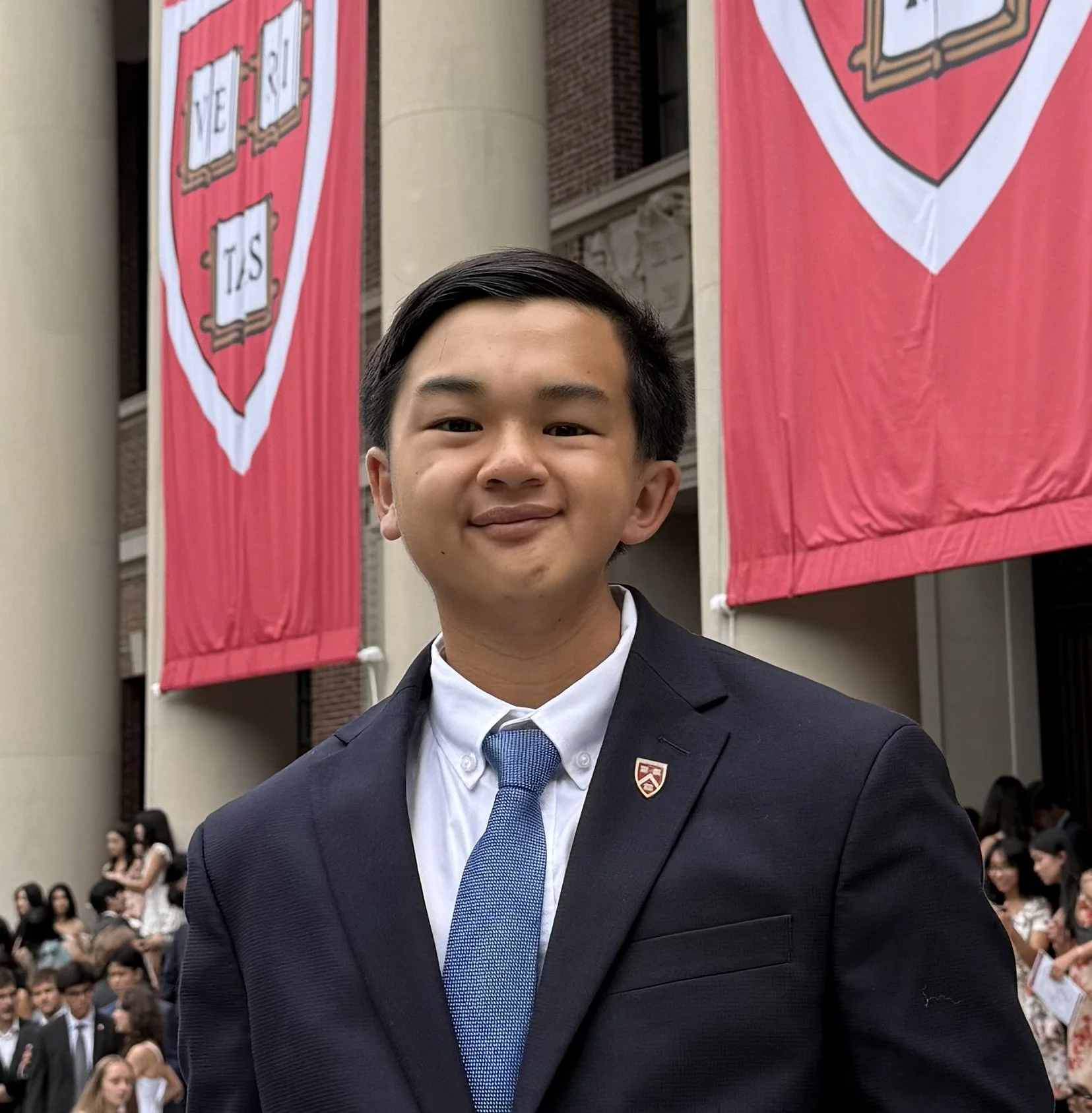
My name is Uy Pham, and it is my pleasure to serve as your Director for the Organization of American States. I’m a sophomore in Winthrop House, and I study Government and Statistics at the College. I’m originally from Orange County in Southern California.
I’ve been involved in Model United Nations since my freshman year of high school, and MUN has shaped me into a more confident, civically-engaged member of society alongside my fellow delegates. I served as the assistant director for the Commission on Narcotic Drugs at HNMUN and the Crisis at the Museum at HMUN last year, and I’m excited to work with you throughout committee to foster dynamic, substantive discussions about one of the most consequential times in Eastern European history.
Outside of MUN, I’m involved in The Crimson, where I cover Harvard Law School and help produce our podcast, Newstalk. I also teach civics to local elementary school students through the CIVICS program and serve as a Peer Advising Fellow for first-year students. My favorite sport is soccer; you’ll catch me playing in and refereeing at our intramural soccer games.
The Warsaw Pact, founded in 1955, is barely a year old and already facing its first tests — all the while its Western bloc counterparts only continue to grow stronger. Internally, desires for democratic institutions and reform have rapidly spread across the Eastern European states. Throughout the course of committee, I look forward to seeing how you address the immediate insurgencies at hand while grappling with the broader question confronting the alliance: how to maintain economic and political stability as its ideological foundations shatter from within.
My goal is to cultivate an environment that encourages delegates to thoughtfully engage with a wide range of perspectives through constructive collaboration and discourse, which will guide how they approach similar conversations beyond our time in committee.
Please do not hesitate to reach out if you have any questions before the conference; I’d love to hear your thoughts about the background guide, the committee flow, or anything else on your mind.
Sincerely,
Uy Pham
Co-Director, Warsaw Pact
warsaw@harvardmun.org
Harvard Model United Nations 2027
Dear Delegates (Comrades),
Welcome to the 74th annual Harvard Model United Nations!
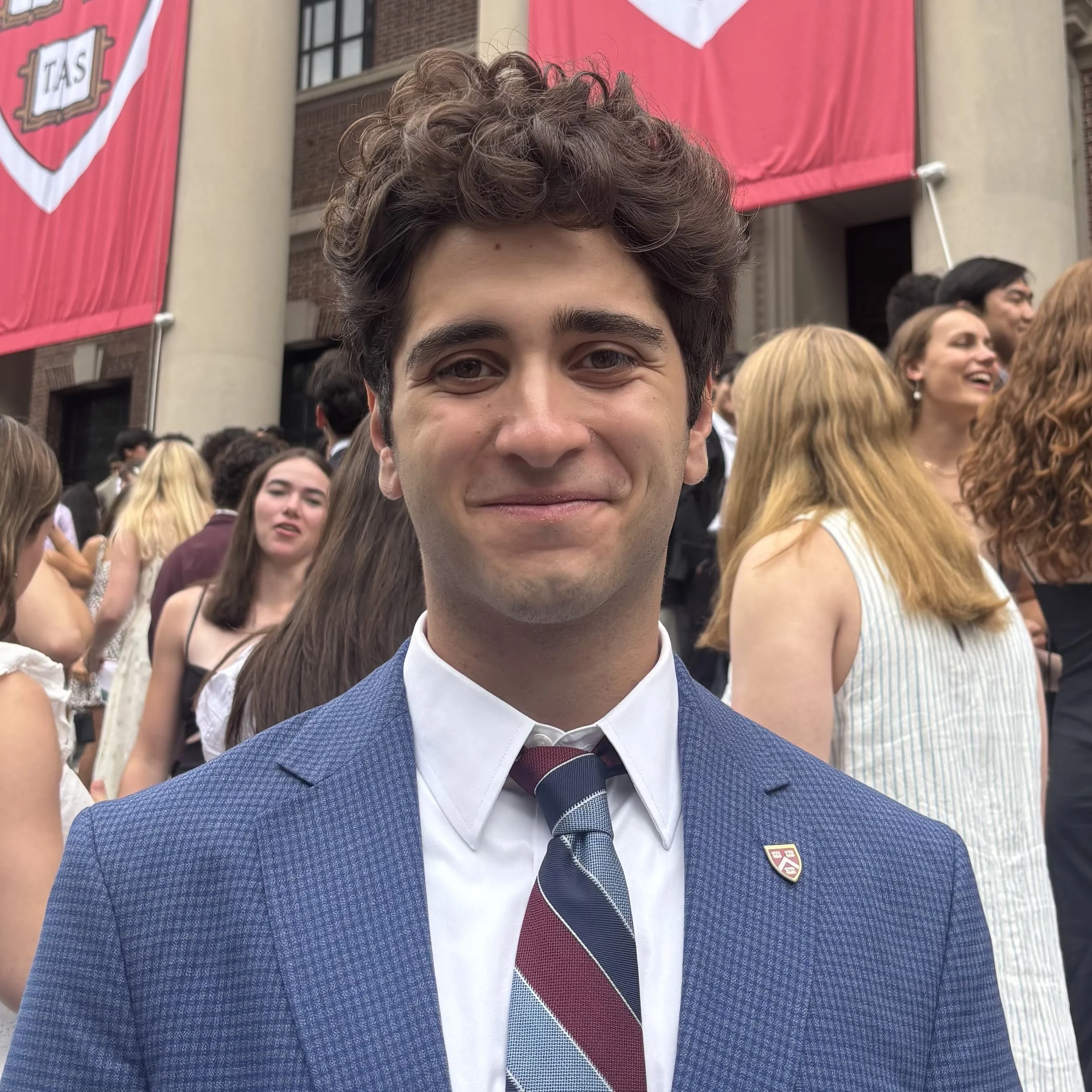
My name is Leo Petropoulos, and it is my honor to serve as your Director (officially the Supreme Commander of the Unified Armed Forces of the Warsaw Treaty Organization) for the Warsaw Pact Committee! I’m a sophomore in Quincy House studying Biology with a joint concentration in Comparative Study of Religion, and I am originally from Milwaukee, Wisconsin but now I live in the Chicago Suburbs. If you’re interested in sports, this means I’m a fan of all the Wisconsin Teams, so Go Pack Go.
While I’ve been heavily involved in speech and debate since my freshman year of high school, I joined Model U.N. as a freshman in college and have quickly grown to love it! For HMUN 2026 I was the Assistant Director for the European Union, but I am very excited to travel back a few decades now as a director of the Warsaw Pact. 1956, the year we’ll be navigating in committee, was an incredibly tumultuous time in European History, especially for the Eastern Bloc Nations. Historians continue to debate the effectiveness and implications of the 1956 Revolutions (Poland and Hungary) and the reactions to them, so the floor for debate is open for many combinations of perspectives and ideas! I’m looking forward to fostering a space where the merits or demerits of certain approaches and responses can be openly, effectively, and respectfully discussed!
Outside of MUN, I serve as the Director of Operations for Harvard Model Congress. I am also the Men’s Golf Reporter for the Harvard Crimson Sports Board and am a Sports radio host for Harvard’s Student Radio (WHRB)! I have the privilege of serving as a Peer Advising Fellow (PAF) in order to mentor and guide first-year students. I’ve also been a part of some programs through the Institute of Politics, with the Fellows and Study Group program, where I was a Student Liaison for Byron York, being one of the most impactful during my time here! I am also heavily involved in Youth Ministry and Sunday School at Sts. Constantine and Helen Greek Orthodox Church just down the road from campus. Outside of my busyness, you’ll probably catch me playing chess or curating my fantastic playlists which you’ll hopefully grow to love before committee sessions!
The Warsaw Treaty Organization (commonly known as the Warsaw Pact, or sometimes Eastern Bloc Nations) was founded in 1955 in response to the formation of NATO along with mounting tension across Europe. The unification of military command of nation-states under the Soviet sphere of influence was a critical goal of the Pact, which would ultimately be tested just a year after founding the organization. In the wake of the Polish June Uprising, you will have the opportunity to not engage in a crisis, but to thoughtfully reflect on it. With de-Stalinization in fully effect, winds of change blowing in Hungary, and an alliance internally divided, I can’t wait to see what ideas you have about how to advance and strengthen the Warsaw Pact. As you prepare, there will undoubtedly be many questions you come across as you ultimately weigh how much internal reform or external posturing is necessary. The choices are truly yours, and I look forward to facilitating the welcoming yet intellectually challenging conversation!
If you have any questions throughout your journey through the background guide or Warsaw Pact history more broadly please don’t hesitate to reach out! If you have any feedback or suggestions regarding anything committee, background, music for committee, you name it, please feel free to share! So excited to meet you all, Comrades!
Warmly,
Leo Petropoulos
Co-Director, Warsaw Pact
warsaw@harvardmun.org
Harvard Model United Nations 2027