World Conference on Women
Topic A: Gender Equity in Artificial Intelligence and Emerging Technologies
Topic B: Advancing Women’s Economic Mobility
Topic A: Gender Equity in Artificial Intelligence and Emerging Technologies
As artificial intelligence and emerging technologies become increasingly integrated into everyday life, they are reshaping economies, education, healthcare, employment, and governance. While these innovations present significant opportunities, they also risk reinforcing existing gender inequalities through algorithmic bias, unequal access to digital resources, underrepresentation of women in STEM fields, and limited participation in technology development and policymaking. Ultimately, debate on this topic will seek to examine strategies to promote inclusive innovation, strengthen ethical AI governance, expand women’s participation in emerging technology sectors, and ensure that technological advancement benefits women and girls across diverse social, economic, and cultural contexts.
Topic B: Advancing Women’s Economic Mobility
Despite meaningful progress in recent decades, women around the world continue to face systemic barriers to economic opportunity, including wage disparities, unequal access to education and financial services, and underrepresentation in leadership and entrepreneurship. Achieving sustainable economic mobility requires policies that promote equal access to quality employment, financial inclusion, and other social protections. Delegates will explore collaborative solutions to expand women’s economic participation and foster inclusive economic growth that empowers women across all stages of their careers.
Dear Delegates,
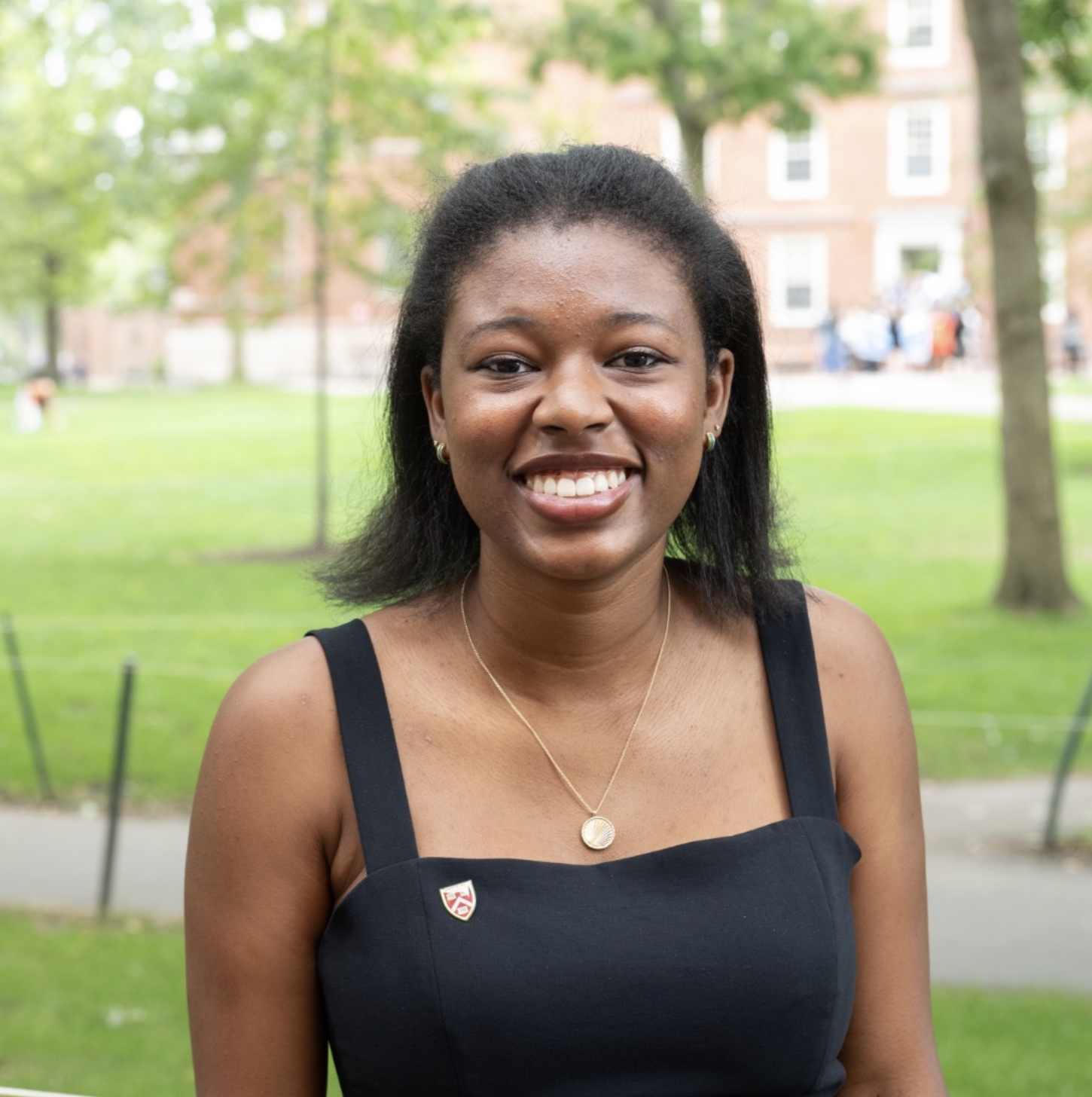
My name is Victoria Washington, and I am thrilled to welcome you to the World Conference on Women for the 2027 session of Harvard National Model United Nations. It is an honor to serve as your Director for our double-delegation committee on promoting humane conditions and rehabilitation in prison systems. I cannot wait to see the thoughtful debate, creative solutions, and diplomacy that you all bring to committee.
I’m from Chicago, IL, and I am a sophomore studying History of Art & Architecture and Economics at Harvard College. Outside of Model UN, I am a staff writer for the Harvard Crimson Arts Board, a member of the Art Board of the Harvard Advocate, and I occasionally work in costume design for theatrical productions on campus. Before college, I competed in Model UN throughout high school, and more recently, I served as an Assistant Director for the World Conference on Women at HMUN Boston 2026. These experiences have helped shape my appreciation for quality debate and for Model UN as a space to engage with complex global issues.
I am excited to expand upon the vision and goals of Harvard Model United Nations in the following year—from furthering our substantive excellence, innovating our committee offerings, and streamlining our executive services, my Secretariat and I are excited to make the Seventy-Second Session of Harvard Model United Nations as strong as it can be.
Best Regards,
Victoria Washington
Director, World Conference on Women
wcw@harvardmun.org
Harvard Model United Nations 2027