World Health Organization
Topic A: Rebuilding Global Trust in Public Health Institutions in the Age of Misinformation
Topic B: Governing Cross-Border Health Data and Digital Surveillance in Pandemic Prevention
Topic A : Rebuilding Global Trust in Public Health Institutions in the Age of Misinformation
Public trust is essential to effective public health. When people trust healthcare professionals, scientists, and public health institutions, they are more likely to follow medical advice, receive vaccinations, and support measures that protect their communities. However, in recent years, the rapid spread of misinformation and disinformation has made it increasingly difficult for people to distinguish credible scientific information from false or misleading claims.
The COVID-19 pandemic highlighted how quickly misinformation can spread and how serious its consequences can be. False information about vaccines, treatments, and the virus itself contributed to vaccine hesitancy, confusion, and declining trust in governments and public health organizations. As social media and artificial intelligence continue to shape how people access information, rebuilding trust has become one of the greatest challenges facing global health.
In this topic, delegates will consider how the World Health Organization and its Member States can strengthen public trust while respecting freedom of expression, encouraging transparency, and improving access to accurate health information.
Topic B: Governing Cross-Border Health Data and Digital Surveillance in Pandemic Prevention
The ability to quickly detect and respond to disease outbreaks depends on the timely sharing of health information between countries. Advances in digital technology, artificial intelligence, and genomic sequencing have made it possible to identify potential outbreaks faster than ever before, allowing governments and international organizations to respond more effectively to emerging health threats.
At the same time, sharing health data across borders raises important concerns about privacy, cybersecurity, national sovereignty, and equitable access to technology. Countries must balance the benefits of international cooperation with the responsibility to protect sensitive information and respect the rights of their citizens.
In this topic, delegates will explore how the World Health Organization can encourage responsible data sharing and strengthen global disease surveillance while ensuring that technological advances are used ethically, securely, and fairly.
Dear Delegates,
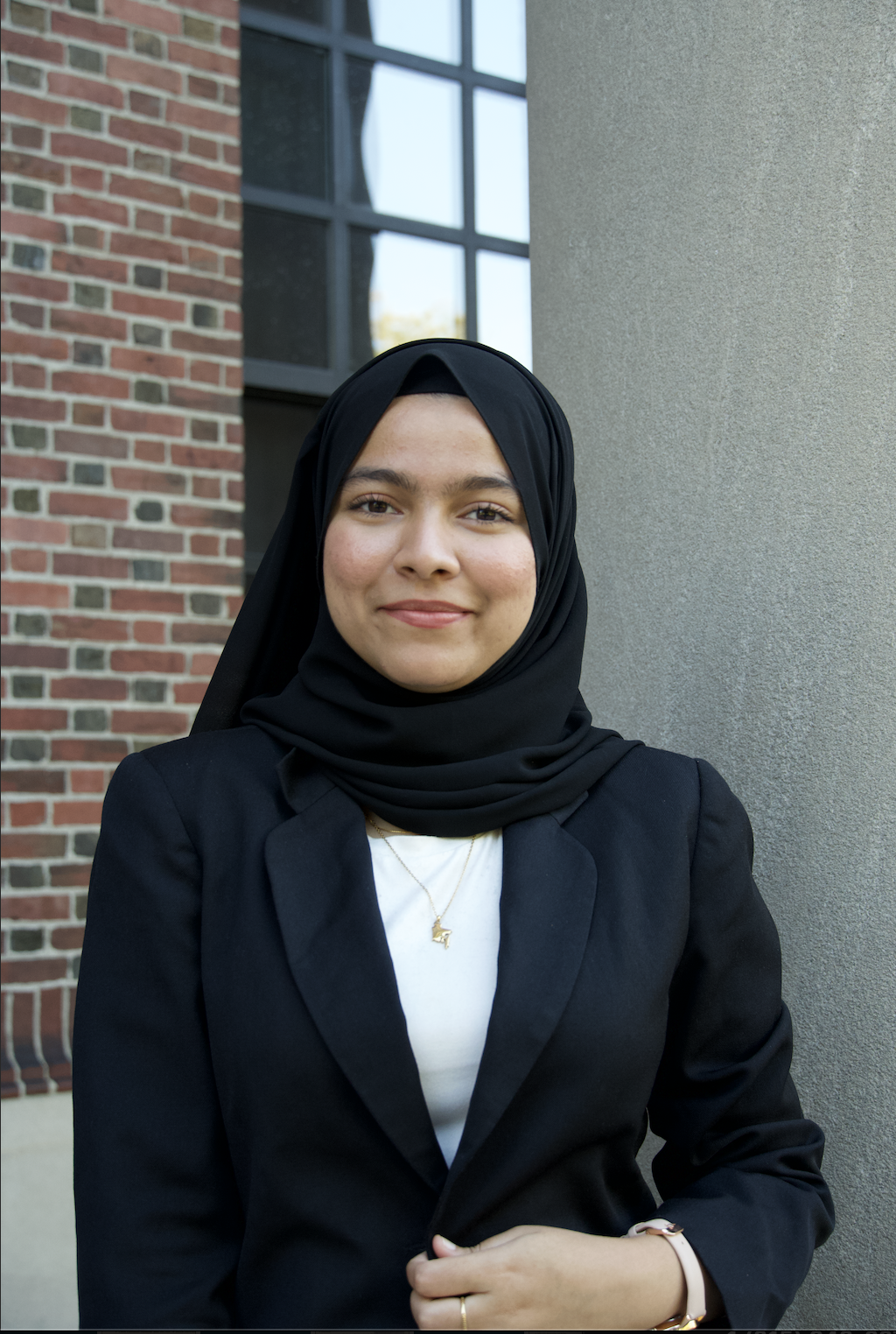
It is my absolute pleasure to welcome you to the World Health Organization at Harvard Model United Nations 2027. My name is Nazifa Muntaha Ahmed, and I am honored to serve as your Director for WHO this year.
I am a sophomore at Harvard College studying Human Developmental and Regenerative Biology and Sociology on the pre-med track. Originally from Bangladesh, I now call Detroit, Michigan home. I first became involved in Model UN through my passion for global health, diplomacy, and international cooperation. In high school, I founded my school's first-ever Model United Nations club, and since then, Model UN has become one of my favorite ways to explore complex global challenges. I previously served as an Assistant Director for WHO at HMUN 2026 and DISEC at HNMUN 2026, and I am thrilled to return to WHO as Director.
Outside of MUN, I serve as a Global Health Ambassador with the Harvard Global Health Institute, work as a Research Assistant at Mass General Brigham, and volunteer as a Staff Supervisor at the Harvard Square Homeless Shelter. I am passionate about global health, health equity, and community-centered advocacy, which is one of the many reasons I am especially excited to direct WHO. When I am not in class or committee, you can usually find me exploring Boston and searching for the city’s best matcha places.
This year's topics—Rebuilding Global Trust in Public Health Institutions in the Age of Misinformation and Governing Cross-Border Health Data and Digital Surveillance in Pandemic Prevention—sit at the intersection of healthcare, technology, ethics, and international cooperation. As future leaders, policymakers, scientists, and advocates, you will have the opportunity to engage with some of the most pressing challenges facing our world today.
Whether this is your first conference or your fiftieth, I encourage you to approach committee with curiosity, confidence, and an open mind. The most rewarding committees are often those where delegates are willing to take risks, engage thoughtfully with differing perspectives, and work together to create innovative solutions.
I am here to support you throughout your preparation and throughout the conference itself. Please do not hesitate to reach out with any questions. I cannot wait to meet all of you in committee this January and see the ideas, energy, and creativity you bring to WHO.
Best Regards,
Nazifa M. Ahmed
Director, World Health Organization
who@harvardmun.org
Harvard Model United Nations 2027