Commission on Social Development
Topic Summary
From the Balkans’ ethnic wars, to the Tutsis massacred during the Rwandan Genocide, our world has suffered tremendous human casualties from wars in the past century. Often times, such conflicts, especially civil wars, leave an irreparable scar on the peoples of the country, consuming a nation into further cycles of violence and preventing meaningful development. Reconciliation is therefore not only about ending hostilities, but about rebuilding the social fabric necessary for lasting peace and development.
This committee, the Commission for Social Development, is therefore focused on the following: what policies should post-conflict nations and regions implement to prevent the outbreak of further conflicts, and what is the UN and other international agencies’ role in securing a peaceful society and sustainable development for such regions? As CSocD, we would especially focus on the social dimension of this question, including but not limited to: resolving tensions between warring groups, reforming for stable institutional governance, restoring justice, addressing social inequality, reintegrating displaced peoples and militants, and creating opportunities for inclusive growth that can sustain peace over the long term.
Delegates are encouraged to consider how to treat reconciliation and development for both civil wars and international conflicts, and consider any differences between the two. Delegates are also encouraged to think beyond military conflicts: how can countries and international actors such as the UN play a role in addressing long-standing societal tensions and discrimination (such as Apartheid in South Africa) and in fostering reconciliation between different ethnic and racial groups? Ultimately, delegates will be challenged to craft creative approaches that link reconciliation with development, designing frameworks that can secure peace, justice, and resilience for societies emerging from conflict.
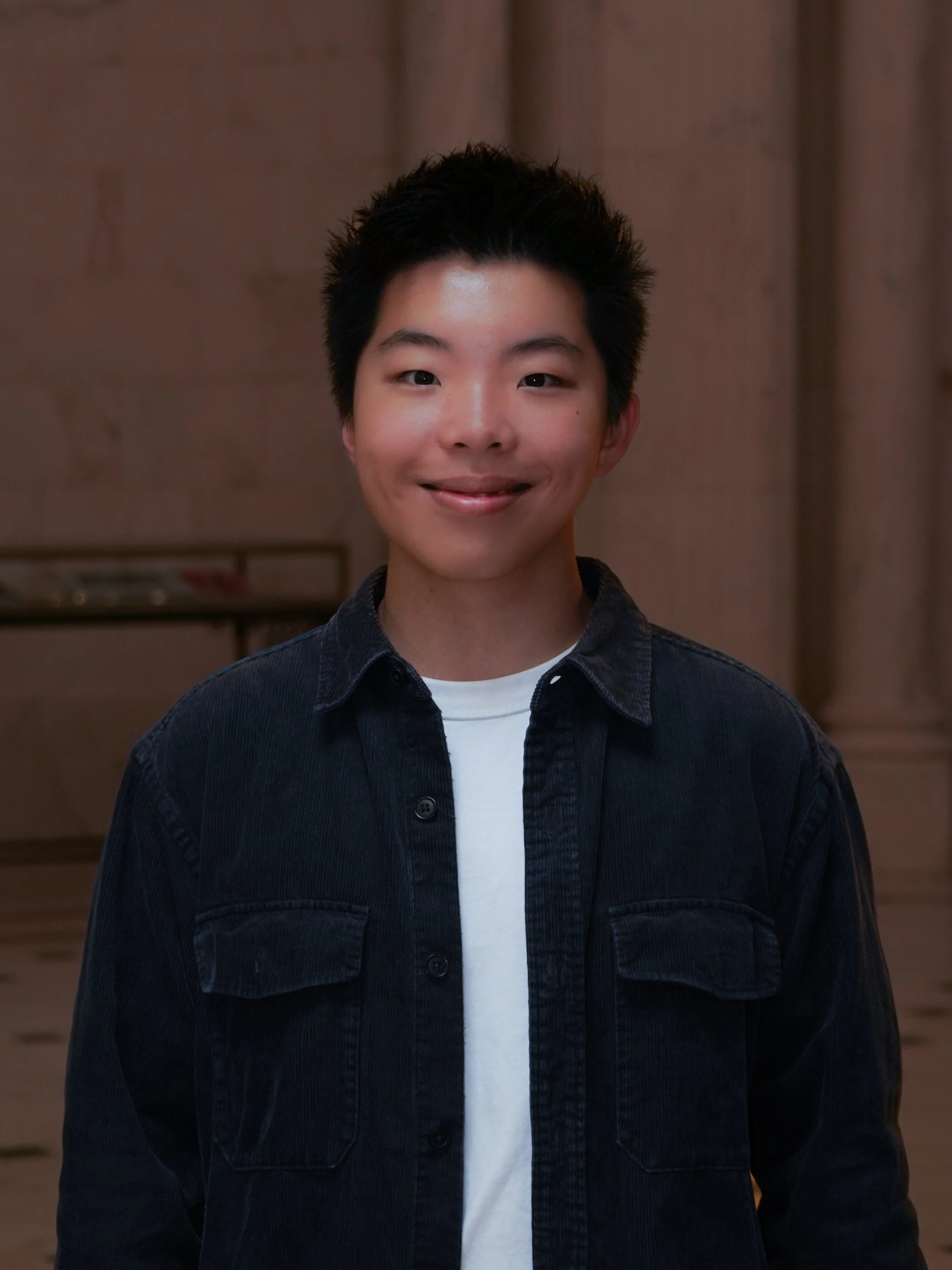
Dear Delegates,
Welcome to HMUN Boston 2026! My name is Ethan Li, and I am honored to be your director for the Commission For Social Development.
A little bit about myself: I am currently a sophomore in Mather House studying Physics and History; I am Chinese/Taiwanese and grew up in Shanghai, China for the most of my life. Outside of MUN, I enjoy curling, bouldering, collecting records, film photography, and lighting design for musical theater. MUN has been an integral part of my life in the past 6 years. I began Model United Nations in eighth grade and eventually became the president of my high school team. As a senior, I served as student secretary-general of Oxford Global MUN – SHSID, a joint conference between my high school and OXMUN. I spent my first year of college at Emory University, where I took on the role of USG of Logistics for our conference, ENMUNC. I am super excited to continue my MUN journey at Harvard and chair for this committee.
Post-Conflict Reconciliation essentially tackles one central question—how do we prevent societies from returning to cycles of violence and oppression? As your Director, I hope delegates come to our committee well-prepared, ready to engage deeply with the issues and contribute to constructive dialogue with one another. Delegates are also expected to conduct themselves with diplomacy and professionalism, representing the best interests of their respective UN member states. However, during debate, delegates should also recognize the power limitations of CSocD, which functions essentially as an advisory body under ECOSOC—a forum for non-binding policy recommendations. That being said, I look forward to the many creative solutions that you all come up with during the span of this committee.
Feel free to reach out to me if you have any questions, and I look forward to seeing everyone in January!
Best,
Ethan Yi-Tang Li
Director, Commission For Social Development
csocd@harvardmun.org
Harvard Model United Nations 2026