Economic and Financial Committee, 2014
October Topic: The Use of Economic Sanctions as a Means of Political Coercion
Economic sanctions have long been used as a middle ground between diplomacy and military force, intended to compel states to alter their behavior without resorting to violence. They can range from targeted asset freezes and travel bans against individuals to sweeping trade embargoes that isolate entire economies. Proponents argue that sanctions uphold international norms by punishing aggression, deterring further violations, and signaling the global community’s resolve. Historic cases, such as sanctions on apartheid South Africa or on Yugoslavia in the 1990s, suggest that sanctions can play a pivotal role in bringing about negotiations or policy changes.
Yet, sanctions remain controversial due to their mixed effectiveness and humanitarian impact. Broad measures often disproportionately harm civilian populations, worsening poverty and limiting access to food and medicine, while leaving political elites relatively unscathed. Questions of legality and fairness also arise, especially regarding unilateral or secondary sanctions that may violate state sovereignty or international law. Moreover, sanctions can backfire—hurting the economies of sender states or fostering black markets and corruption in targeted ones. For Model UN delegates, the central challenge lies in evaluating when sanctions are justified, how they can be enforced effectively, and how their humanitarian costs can be minimized.
December Topic: Addressing National Economic Inequality
Economic inequality—the uneven distribution of income, wealth, and opportunity—has emerged as one of the defining issues of the 21st century. Extreme disparities are evident both within and across nations: the world’s wealthiest 1% controls nearly half of global wealth, while billions struggle with poverty and limited social mobility. High inequality not only raises ethical questions of fairness but also undermines social cohesion, political stability, and long-term economic growth. Protests such as Occupy Wall Street have highlighted concerns over political capture by elites, unequal access to healthcare and education, and the erosion of democratic accountability.
The drivers of inequality are complex and multifaceted. Globalization, technological change, weak labor protections, regressive tax structures, and entrenched discrimination have all been cited as factors. While moderate inequality can incentivize innovation and hard work, extreme inequality can lock disadvantaged groups into cycles of poverty, destabilize democracies, and trigger unrest, as seen in the Arab Spring. Addressing the issue requires balancing growth with equity—through progressive taxation, investment in human capital, stronger labor protections, and inclusive institutions. For delegates in ECOFIN, the debate centers on identifying strategies that are both effective and adaptable across diverse political and economic contexts, while respecting cultural values and development priorities.
Dear Delegates,
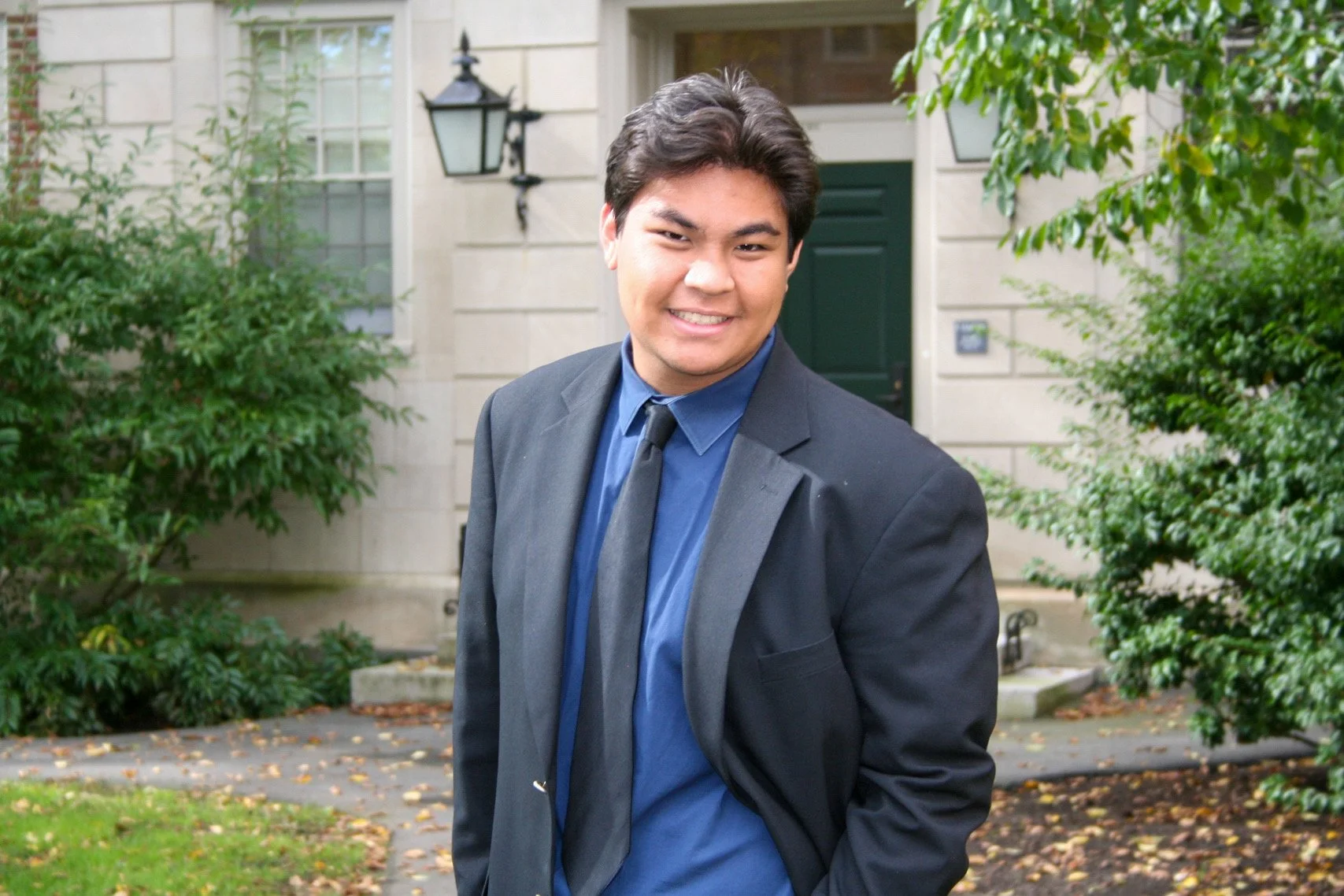
My name is Kenith Taukolo, and I am so excited to be your chair for the ECOFIN committee throughout the conference! I am currently a Junior at Harvard College concentrating in Environmental Science and Engineering with a focus on clean energy. I grew up in a suburb near Chicago (near the Six Flags if you’re in the North Shore!), but went to a boarding school in Aurora, Illinois.
Although I attended a math and science magnet school, I eagerly joined our school’s Model UN team, interested in global politics and the current state of international affairs. I became president of the team my senior year, and continued to make many amazing memories at various MUN conferences.
At Harvard I am a part of ICMUN, the collegiate competitive travel team for Model UN, one of the current head delegates. Last year, I was honored to chair the GADHOC at HMUN and the European Space Agency at HNMUN. This year, I’m serving as the Under-Secretary-General of the General Assemblies. Outside of the MUN world, I am a news writer for the Harvard Crimson newspaper, a board member of the Undergraduate Law Review, and policy analyst for the Clean Energy Group.
During HMUN Online, we are tackling serious topics here in the committee. Both topics are wide-reaching and will require extensive research. While difficult, I hope you bring your enthusiasm and excitement to committee, despite our online format.
Please feel free to connect with me with any questions or concerns leading up to the committee. Let me know if I can help in any way as, Model UN, at the end of the day, is a collaborative effort, and only when we all work together does change really happen. I look forward to meeting all of you!
Signing off,
Kenith Taukolo