Islamic Educational, Scientific, and Cultural Organization
Topic A: Women and Education
Topic B: Language and Politics
In many Islamic nations, women’s access to education is limited by cultural, political, and economic barriers. Issues such as early marriage, violence, poverty, and restrictive gender norms hinder school attendance and long-term academic success for girls. While Islamic texts support gender equity, patriarchal interpretations and political misuse of religion often curtail women’s rights. Countries like Pakistan and Somalia highlight severe educational disparities, though others, like the UAE and Bangladesh, show progress. This committee will explore legal reforms, community-based solutions, and international cooperation to address these gaps and promote sustainable, inclusive education for women and girls in the Muslim world.
Language is a powerful force in shaping identity, politics, and cultural autonomy. In many Muslim countries, colonial legacies and global pressures have elevated foreign languages like English and French over native tongues, affecting access to education, governance, and opportunity. Linguistic hierarchies can marginalize minority communities and threaten cultural preservation. This committee will examine how language policies influence development, national identity, and power structures. Delegates will consider how ISESCO can support multilingualism, preserve endangered languages, and promote linguistic equity while respecting the religious and cultural diversity of its member states in a rapidly globalizing world.
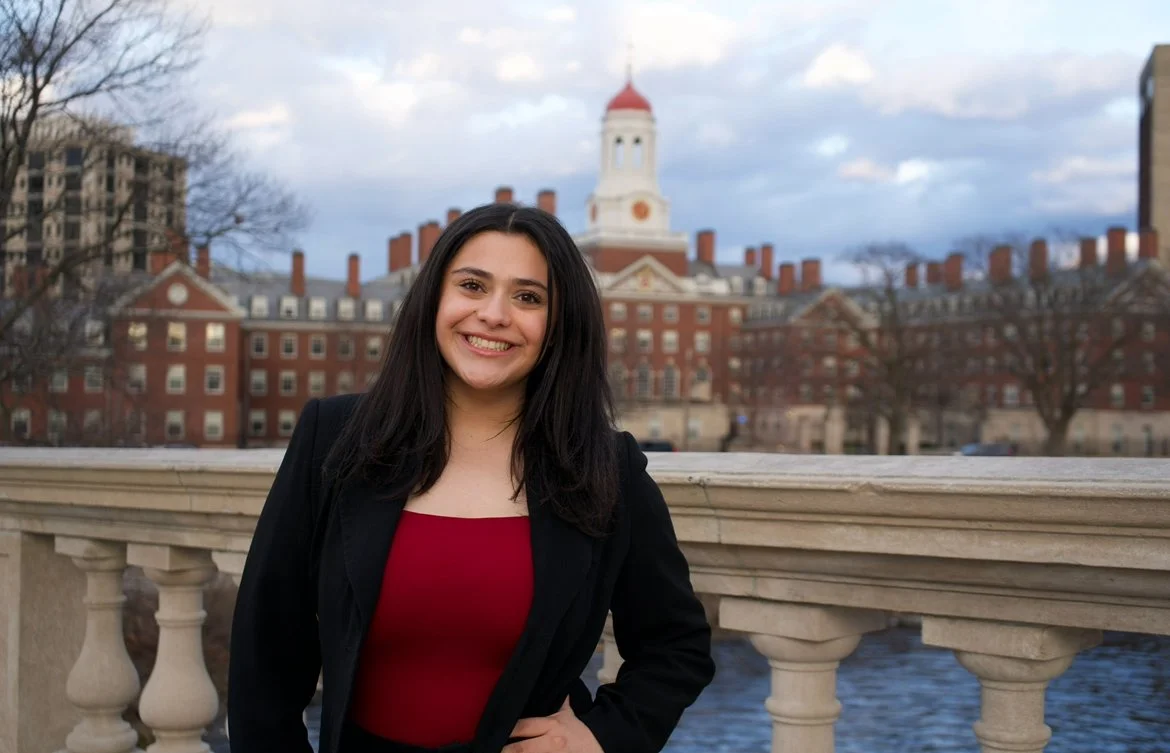
Dear Delegates,
Welcome to the Islamic World Educational, Scientific and Cultural Organization (ICESCO) Committee at HMUN Boston 2026! It is an honor to serve as your Director, and I’m incredibly excited for the thoughtful conversations, collaborative problem-solving, and innovative diplomacy we’ll share over the course of the weekend.
My name is Saarah Hassan, and I’m a freshman at Harvard College studying Government with a minor in Global Health and Health Policy. I’m originally from Mankato, Minnesota, a small city in southern Minnesota. While my high school didn’t have a Model UN program, I found other ways to use my voice and build leadership skills through Speech and Student Government. When I arrived at Harvard, I joined the Intercollegiate Model UN (ICMUN) team, where I’ve had the opportunity to travel across states and countries to compete and connect with an incredible community of globally-minded peers. I previously directed the NATO 1955 committee at HNMUN 2024, directed at HMUN India 2025, and HMUN Dubai 2026, and I’m thrilled to be on the dais this year for HMUN Boston.
Outside of MUN, I’m involved in Harvard’s theater scene, help lead publicity for the World Pre-Health Conference, and serve as the Director of GA Training for the ICMUN team. I also work with the Internal Relations Board for Youth Lead the Change. Each of these experiences has deepened my appreciation for how communities thrive when young people come together to learn, lead, and create.
ICESCO work spans education, science, and culture, tools that are deeply powerful in shaping inclusive, resilient societies. As delegates, I encourage you to approach your research and resolutions with nuance, empathy, and creativity. The work we do in this room matters, and I can’t wait to see the solutions you propose and the perspectives you bring.
Please don’t hesitate to reach out with any questions. I look forward to meeting you all soon!
Warm regards,
Saarah Hassan
Director, ICESCO
icesco@harvardmun.org
Harvard Model United Nations 2026