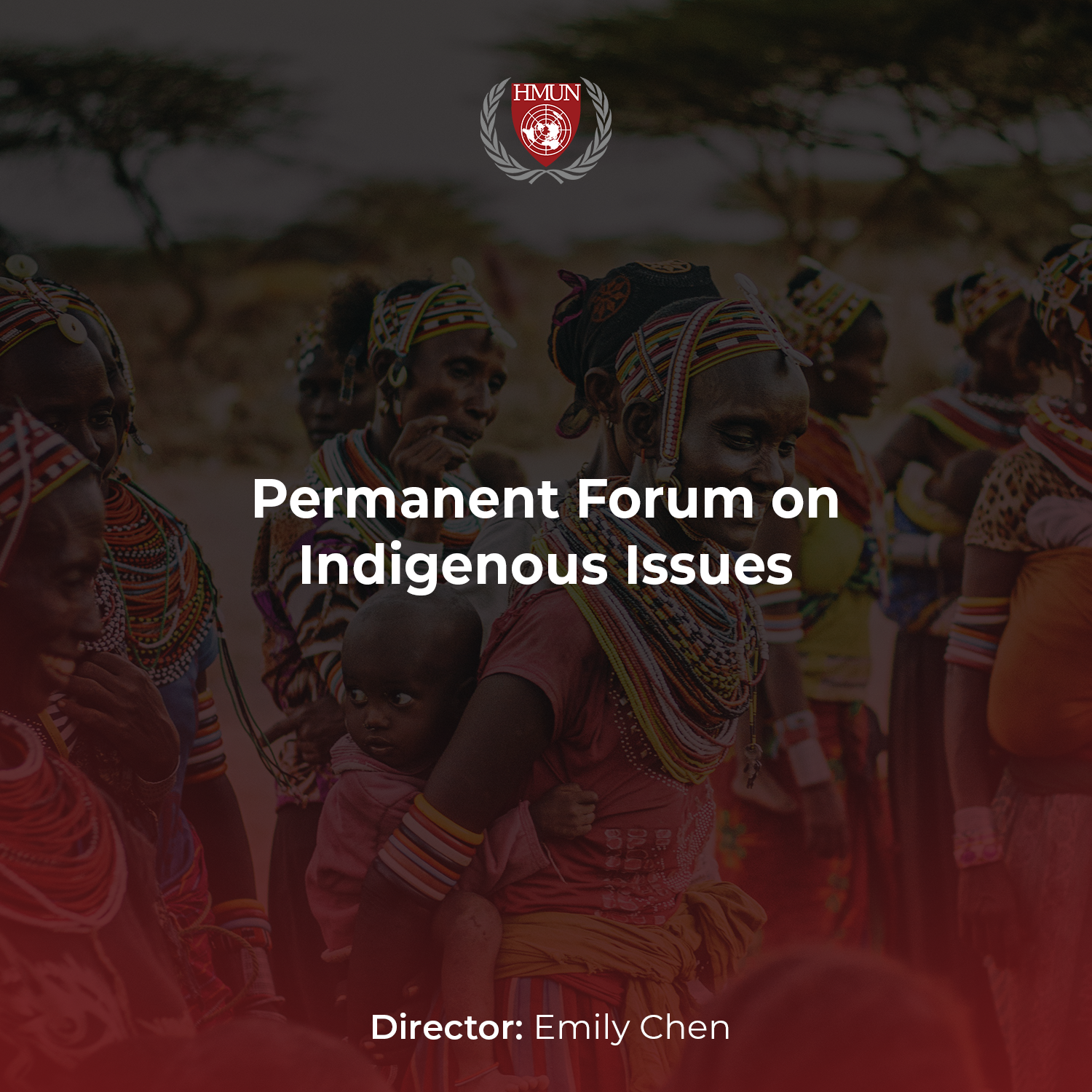
Permanent Forum on Indigenous Issues
Topic A: Potable Water in Indigenous Communities
Topic B: Barriers to Healthcare in Indigenous Communities
Around the world, access to clean and safe drinking water remains a challenge for many Indigenous communities. Often stemming from colonialism and exacerbated by centuries of systemic inequalities, pollution, and land dispossession, the lack of reliable access to potable water has led to concerning and severe impacts on health, economic prosperity, and even the preservation of Indigenous culture. In order to address this pressing issue, delegates should understand the intersectionality of infrastructure gaps, environmental injustices, and legal barriers surrounding water rights, while respecting Indigenous sovereignty and traditional water stewardship practices.
Today, Indigenous communities face significant health disparities, including higher rates of chronic diseases and mental health conditions when compared to national averages. These disparities stem from underfunded health systems, geographic isolation, and historical injustices. In this committee, delegates can explore ways to improve healthcare systems and health access for Indigenous populations through pathways such as reforming or creating policy, investment in community-led healthcare services, and methods of integrating traditional Indigenous healing practices with modern medicine.
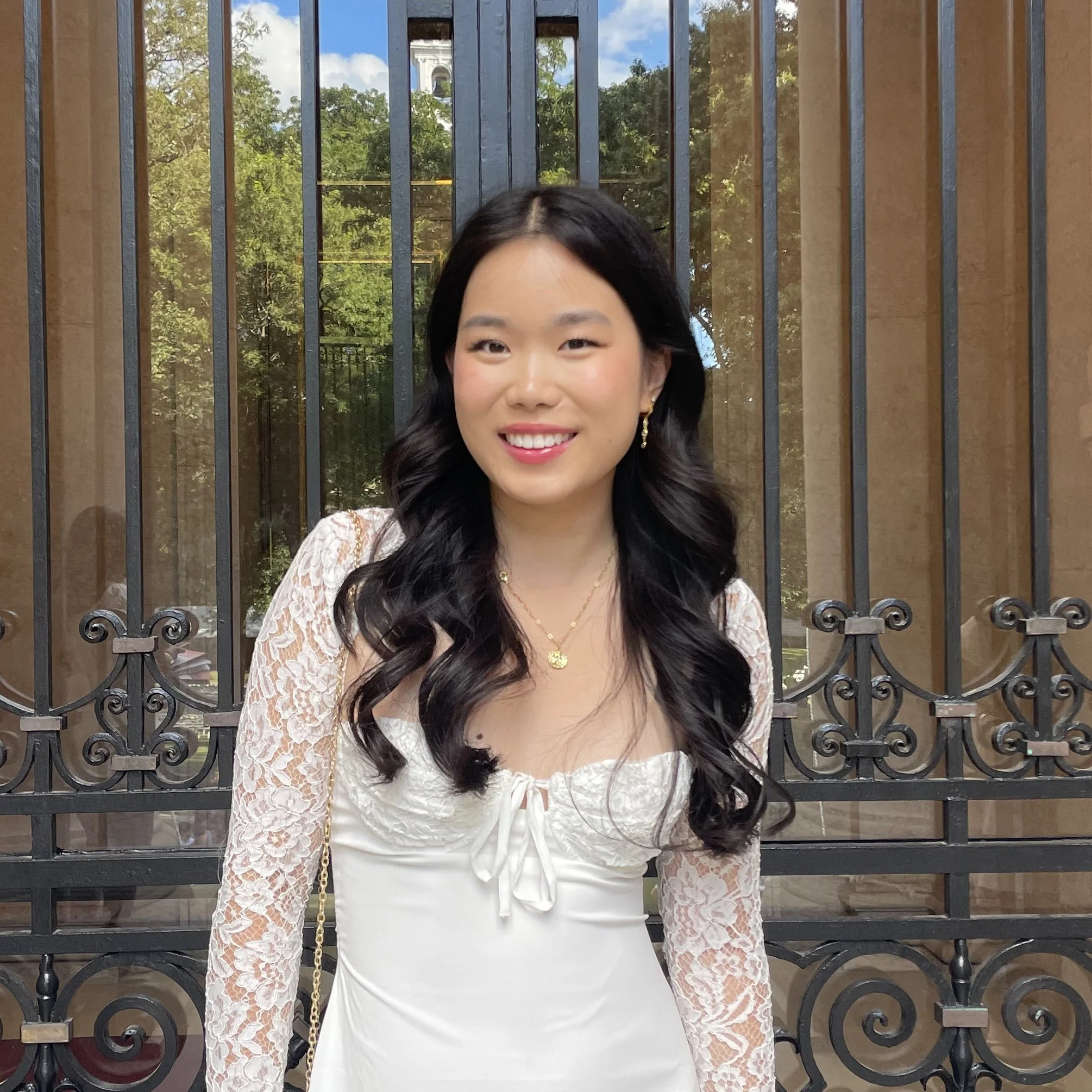
Dearest delegates,
Welcome one and all to HMUN 2026! My name is Emily Chen, and I am a first-year at Harvard College planning to study Economics and Environmental Science and Public Policy. I was born and raised in and around Toronto, Canada, but my extended family resides in Shandong, Jinan, China. I look forward to returning to the beautiful country of China this summer, and I am incredibly excited to serve as your Director for the Permanent Forum on Indigenous Issues (PFII).
I thought I would take this opportunity to tell you a little bit more about who I am and the journey that led me to both Model United Nations and Harvard. As a child, I was full of ideas and, but I was rather shy and often too scared to speak up. To conquer this childhood fear, I enrolled in my first debate class as high school approached. Since then, I have participated in all kinds of public speaking activities such as competitive debate, mock trials, and speech competitions, but no activity quite stole my heart like MUN did. After joining my school’s MUN club in my first year of high school, I quickly fell in love with its dynamic and challenging mix of research, diplomacy, cooperation, writing, and public speaking skills. Inspired by what these experiences have done for me, I went on to dive deep into MUN, competing for all four years of high school, and leading the club as President for two years. At Harvard, I have continued my involvement in this activity, competing as a part of the travelling Intercollegiate Model United Nations team, staffing HMUN and HNMUN 2025 in Boston, and, of course, HMUN China 2025.
These MUN spaces have been instrumental in providing me with tight-knit and welcoming communities as well as more opportunities to learn and grow. Ultimately, MUN has been key in shaping me into who I am today, and what once petrified me—standing in front of people and speaking my truth—became my element.
Throughout this conference, my hope is that delegates will tackle multi-faceted approaches and solutions to the issue at hand. I challenge you to think critically, listen actively, and collaborate boldly. Whether this is your first conference or your tenth, your perspective matters, and your voice has power. I am beyond excited to hear your ideas and see the passion you bring to committee. Let us make this a weekend of good diplomacy, ambition, and real collaboration.
Sincerely,
Emily Chen
Director, Permanent Forum on Indigenous Issues
unpfii@harvardmun.org
Harvard Model United Nations 2026