Social, Humanitarian, and Cultural Committee
October Topic: Mental Health in Crisis Zones
Mental health disorders are a critical but often overlooked consequence of living in areas affected by war, natural disasters, and other humanitarian emergencies. Prolonged exposure to fear, violence, and deprivation increases rates of depression, anxiety, and post-traumatic stress disorder among affected populations. These psychological conditions not only harm individuals’ well-being but also have significant social and economic repercussions, including reduced productivity and long-term barriers to recovery. Historical examples such as the Holocaust, the Sri Lankan Civil War, and the 2010 Haiti earthquake demonstrate how trauma persists long after physical safety is restored and how inadequate mental health infrastructure can worsen suffering. Despite the high prevalence of psychological disorders in crisis zones, mental health support remains underfunded and underprioritized compared to physical health services.
Efforts to address this issue have gradually expanded through initiatives led by the World Health Organization and other international agencies, which promote community-based interventions and psychological first aid. However, stigma and cultural misunderstandings surrounding mental illness continue to limit progress. Effective responses require approaches that are sensitive to local social and cultural contexts, as well as increased coordination between national governments, nongovernmental organizations, and the United Nations. Proposals for improvement include strengthening mental health infrastructure within countries, establishing specialized international task forces for crisis response, and integrating mental health services into all stages of humanitarian aid. Addressing mental health in crisis zones is essential for achieving lasting recovery and protecting both individual and community well-being.
December Topic: Human Population Control
The global human population has been growing at an unprecedented rate, surpassing 7.4 billion in 2016 and projected to reach 11 billion by 2100. This rapid increase has placed immense pressure on natural resources, ecosystems, and social systems, particularly in developing countries where infrastructure and economies struggle to keep pace. Overpopulation contributes to environmental degradation, poverty, famine, and potential conflict over scarce resources. Historical and regional experiences, such as family planning programs in Latin America, show that policies promoting contraception, education, and women’s health can effectively reduce fertility rates while upholding human rights. In contrast, coercive measures like forced sterilization and restrictive child policies raise serious ethical concerns, even when successful in limiting population growth.
Contemporary population control efforts vary widely in scope and impact. China’s transition from a one-child to a two-child policy reveals the economic and demographic consequences of strict government control, including an aging population and gender imbalance. Iran’s reversal from birth control to pro-natalist policies highlights the risks of resource shortages and unemployment tied to rapid growth. Internationally, the United Nations advocates a balanced approach through its World Population Plan of Action, which emphasizes national sovereignty and the right of individuals to make informed reproductive choices. Sustainable solutions depend on respecting cultural diversity while promoting education, healthcare access, and gender equality to ensure population stability and global resource security.
Dear delegates,
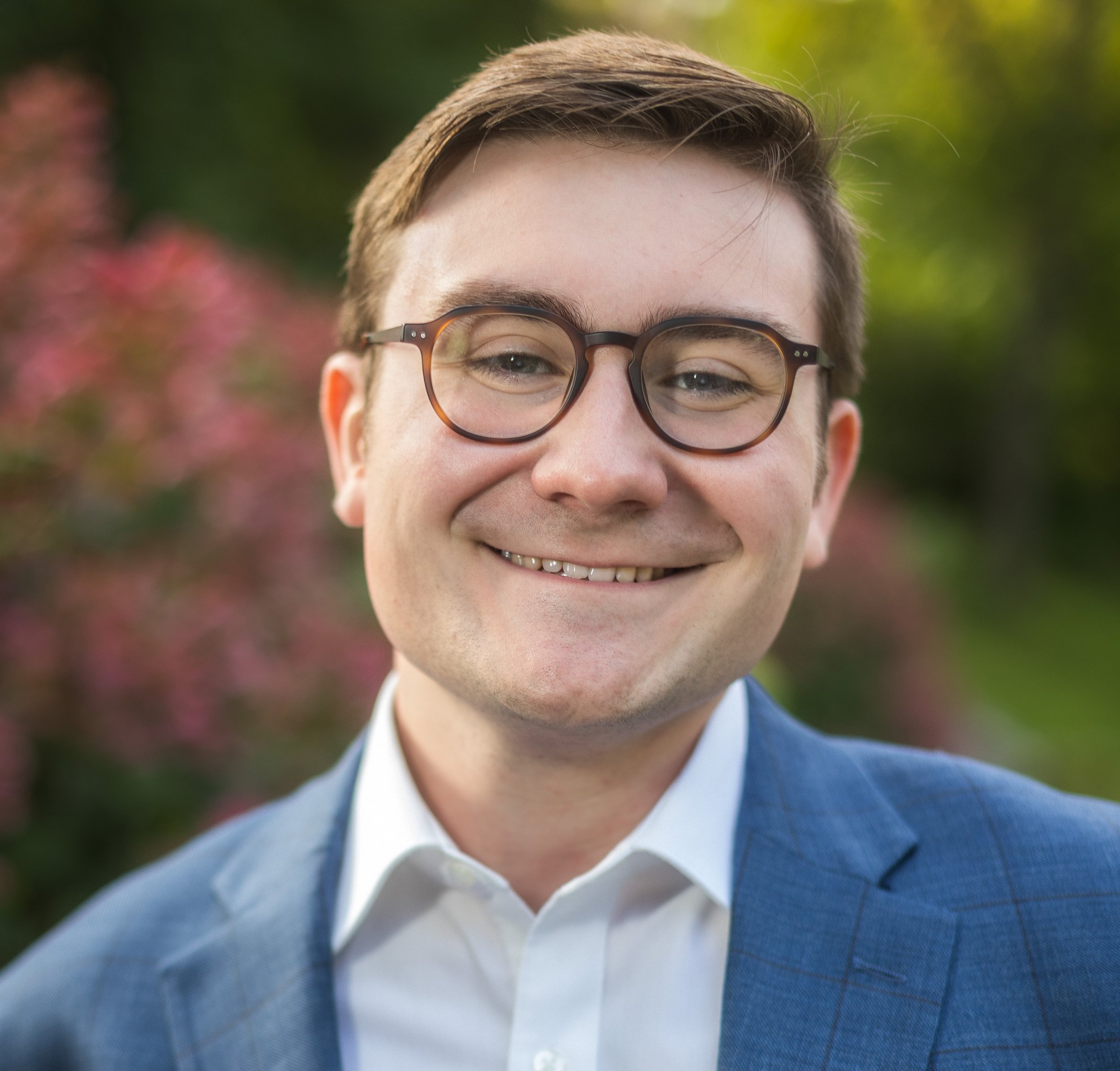
I am so excited to welcome you to the Social, Humanitarian, and Cultural Committee of Harvard National Model United Nations Online 2025! My name is Kaitlin Cascio, and I am so excited to be your director for SOCHUM this year. I am originally from Alexandria, Virginia (right outside of Washington, D.C.) but now call Cambridge, and Harvard, home. I am currently a sophomore at Harvard, where I serve as the President of recruiting for the Harvard International Relations Council, offer legal information through the Massachusetts Small Claims Advisory Service, and write for the Crimson Arts Board. At college, I study Social Studies and Psychology. Outside of Harvard, I enjoy traveling, cooking food from different cuisines, reading thriller novels, painting, and am an avid New York Times-games player.
I did not compete in high school, so I started my Model UN journey when I joined the Harvard Intercollegiate Model United Nations team at the beginning of my freshman year. Currently I am ICMUN’s Deputy Director of Socials, where I work to make sure my fellow delegates have fun! I have staffed both of our domestic conferences in the past and currently serve as Under-Secretary-General for Economic and Social Councils for HMUN Boston 2026. I have so enjoyed my time in the MUN community thus far and look forward to continuing with HMUN Online!
Within this committee, I hope to create a welcoming and collaborative environment where delegates can work creatively to solve problems and engage in lively debate. Throughout the weekend, I will be looking for delegates who balance leadership and collaboration, advocate for innovative and unique solutions, and remain flexible over the course of the conference. I am thrilled to be your Director for SOCHUM! If you have any questions, please feel more than free to reach out.
Sincerely,
Kaitlin Cascio