Treaty of Versailles
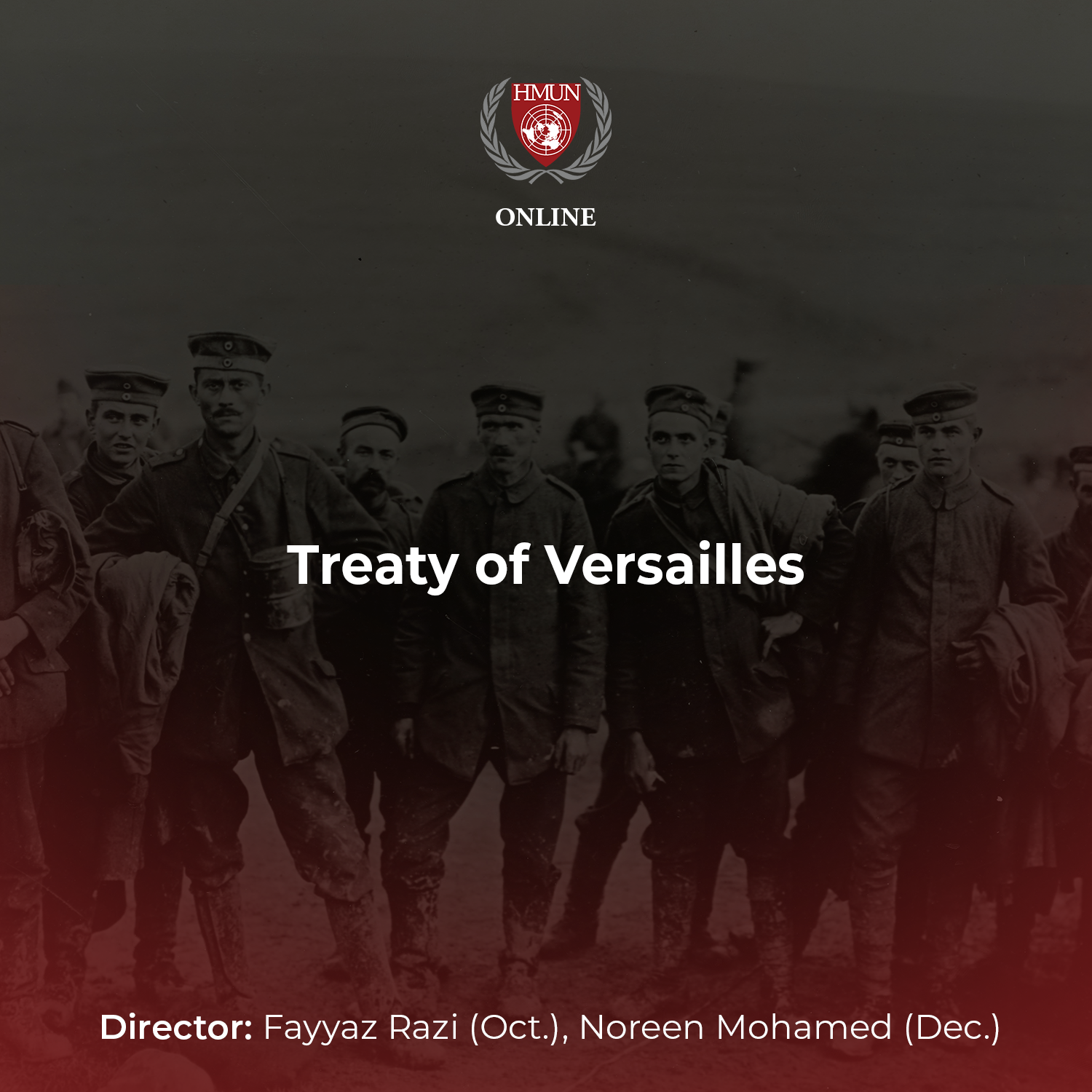
The Treaty of Versailles negotiations in 1919 represented one of the most consequential diplomatic gatherings of the 20th century. Following the devastation of World War I, which left over eight million soldiers and nine million civilians dead, the Allied powers convened to decide how to manage the defeated Central Powers and restructure the global order. The stakes were immense: should Germany and its allies be punished harshly for their role in the war, or should a more conciliatory settlement be pursued to stabilize Europe and prevent future conflict? At the same time, the committee was tasked with shaping the covenant of the League of Nations, the first global peacekeeping organization, which many hoped would ensure lasting international stability.
Delegates faced pressing issues that blended immediate security concerns with long-term visions of peace. Key debates centered on the reduction of German military power, reparations for war damages, and territorial realignments across Europe, Africa, and the Middle East. While President Woodrow Wilson’s Fourteen Points promoted ideals of self-determination and “peace without blame,” leaders like France’s Georges Clemenceau and Britain’s David Lloyd George demanded stricter measures to weaken Germany and secure their own national interests. Beyond Europe, the future of colonial territories loomed large, as questions of independence and self-rule began to surface in Africa, Asia, and the Middle East. These tensions highlighted the competing priorities of justice, security, and sovereignty.
For delegates, the challenge lies in balancing punishment and reconciliation, realism and idealism. How harshly should the defeated nations be treated without sowing resentment that might fuel another conflict? To what extent should the League of Nations wield power—through diplomacy, sanctions, or even force—to deter aggression and uphold peace? And how should principles of self-determination be applied fairly when they threaten the stability of empires and colonial systems? The Treaty of Versailles provides a unique opportunity for participants to weigh these questions and determine whether compromise or confrontation will define the post-war world.
Coming soon
Dear Delegates,
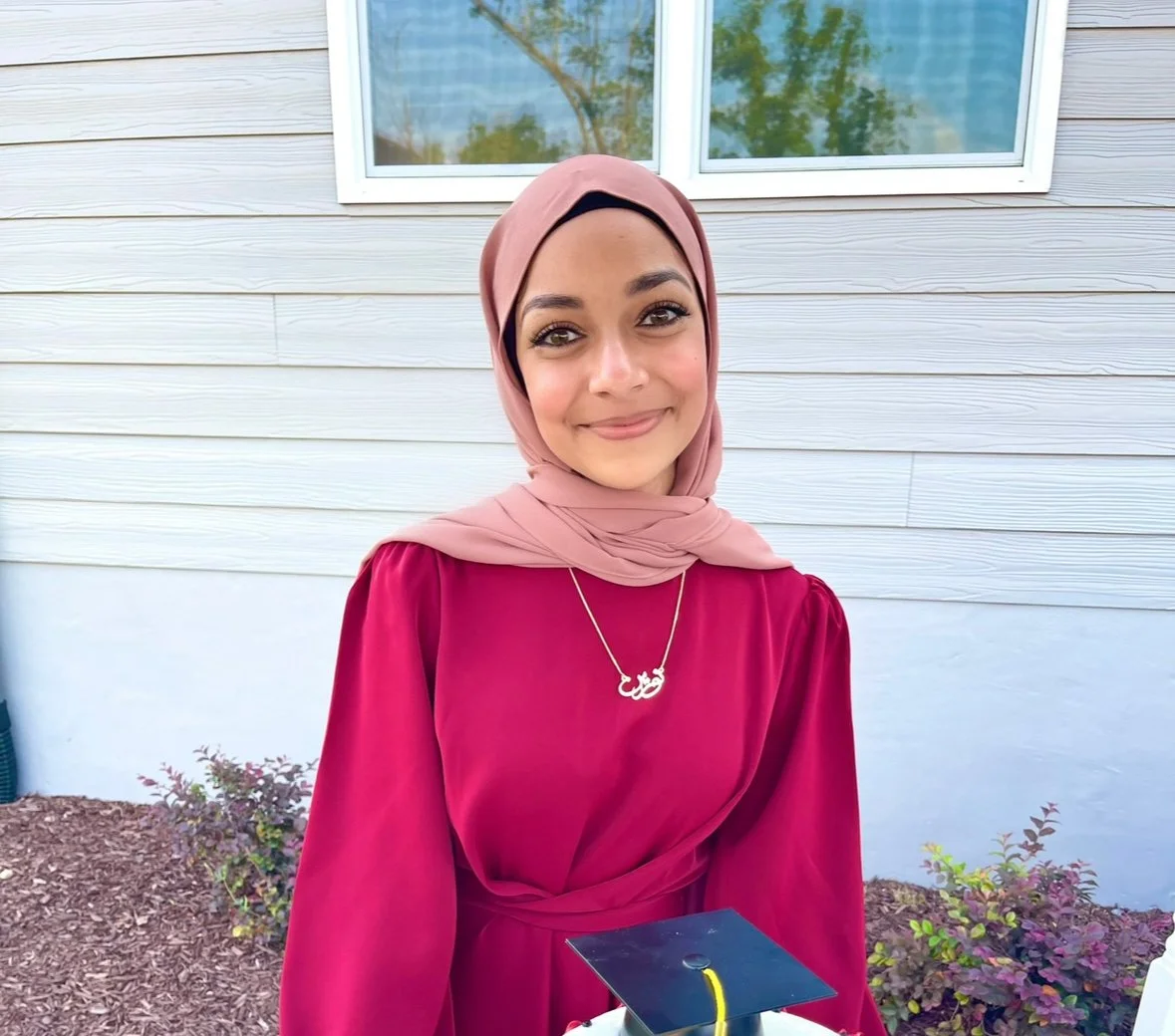
Welcome to the 1st iteration of Harvard Model United Nations Online! My name is Noreen Mohamed and I have the pleasure of serving as your Director for the most fascinating committee of the conference: the Treaty of Versailles!
At the college, I’m currently a Junior concentrating in Economics with a secondary in Computer Science, and I spend a large portion of my time doing consulting work for the Harvard College Consulting Group in addition to helping organize the annual Arab Conference at Harvard. I’m originally from Raleigh, North Carolina, and I’m Egyptian-American, which is a big part of why I’ve always gravitated toward politics and international affairs. While I’m not specifically studying government or international relations, I’ve always believed these fields shape how the world functions and reflect parts of who I am.
I recently joined MUN last Fall through Harvard’s competitive Intercollegiate Model United Nations (ICMUN) team where I’ve had the chance to compete at NCSC, McMun, and ChoMUN. As a former debate kid in high school, MUN has definitely challenged me in different ways, and I have especially grown to love Crisis. I currently serve as the Crisis Director of Training for ICMUN, and I am also the Under-Secretary General of Finance at the Harvard National Model United Nations, our college-level conference hosted every February.
While this is our first iteration of HMUN Online, I have taken part in directing our ICMUN interviews to determine which new students make it onto our competitive team each semester, and I’m excited to now take on the challenge of judging and facilitating debate in the Treaty of Versailles. This committee is a unique blend of historical stakes and modern diplomatic thinking, and I can’t wait to see how each of you navigates those tensions throughout the weekend.
My biggest hope is that you stay actively engaged, communicate confidently, and work collaboratively with your peers to build solutions that go beyond surface-level compromise. The strongest delegates in my eyes are the ones who listen, adapt, and still push their objectives forward with clarity and creativity.
Whether you’re a seasoned delegate or this is your first Model UN conference, I’m here to support you, challenge you, and cheer you on. I have no doubt you’ll bring the Treaty of Versailles to life with nuance and energy, and I can’t wait to see what you all build together.
Noreen Mohamed